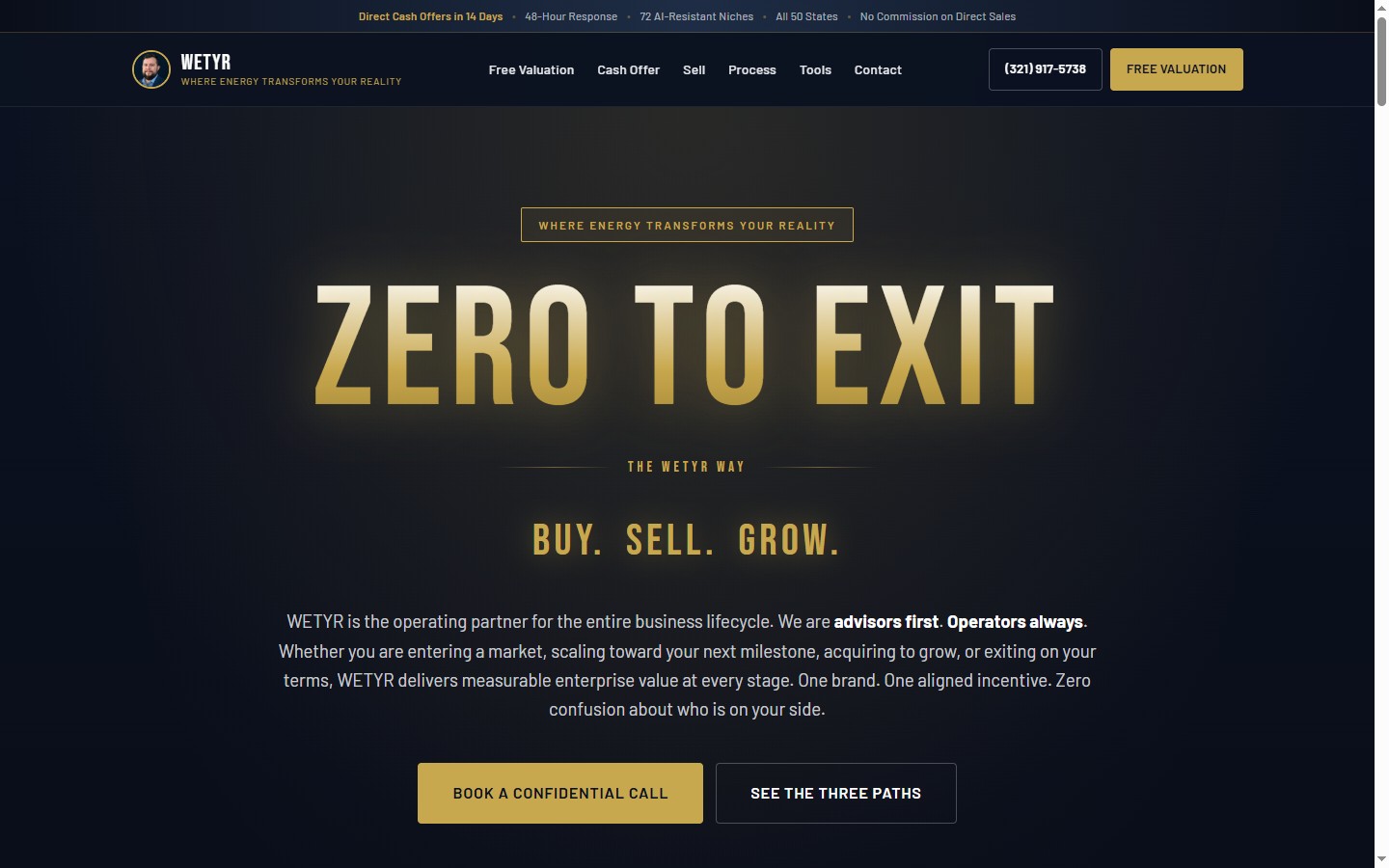
WETYR
Not sure a fractional CMO is the right move?
Take the 60-second fit check →Free, no obligation. If it's a fit, you'll pick a time to talk with Mark directly.Where Energy Transforms Your Reality
Mark's flagship business transformation collective, combining strategy, technology, marketing, AI automation, cybersecurity, managed IT, business funding, and executive recruiting into one unified ecosystem for SMBs scaling from $1 to $100M.
What It Does
WETYR serves SMBs across every vertical needed during scaling. Every division operates in synergy to deliver high-impact solutions. The name stands for Where Energy Transforms Your Reality.
Skills Demonstrated
- Business transformation strategy
- Multi-division brand architecture
- AI automation frameworks
- Capital advisory integration
- Ecosystem design & positioning
- Executive team building
AI Leaders
AI Leadership Resource Hub
An educational hub helping business executives to lead with AI. Frameworks, guides, and strategic resources for C-suite leaders driving AI adoption, built for clarity, not code. Demonstrates deep AI strategy knowledge.
What It Does
Bridges the gap between AI hype and practical business application for non-technical executives. Authority content in a fast-growing search category.
Skills Demonstrated
- AI strategy content design
- Executive education architecture
- Authority building in emerging tech
- SEO thought leadership
- B2B content strategy
AI Toolbox
The World's AI Tools Directory
A curated global directory of the best AI tools for creators, businesses, and developers. Cuts through 30,000+ AI launches to surface what actually works. Organized by use case, business function, and pricing tier.
What It Does
Discovery engine, newsletter source, and curation hub monetized through featured placements, affiliate revenue, and tool partnerships. Built for the .world audience.
Skills Demonstrated
- Directory platform architecture
- Affiliate & monetization strategy
- AI landscape taxonomy & curation
- SEO-driven content strategy
- Audience acquisition
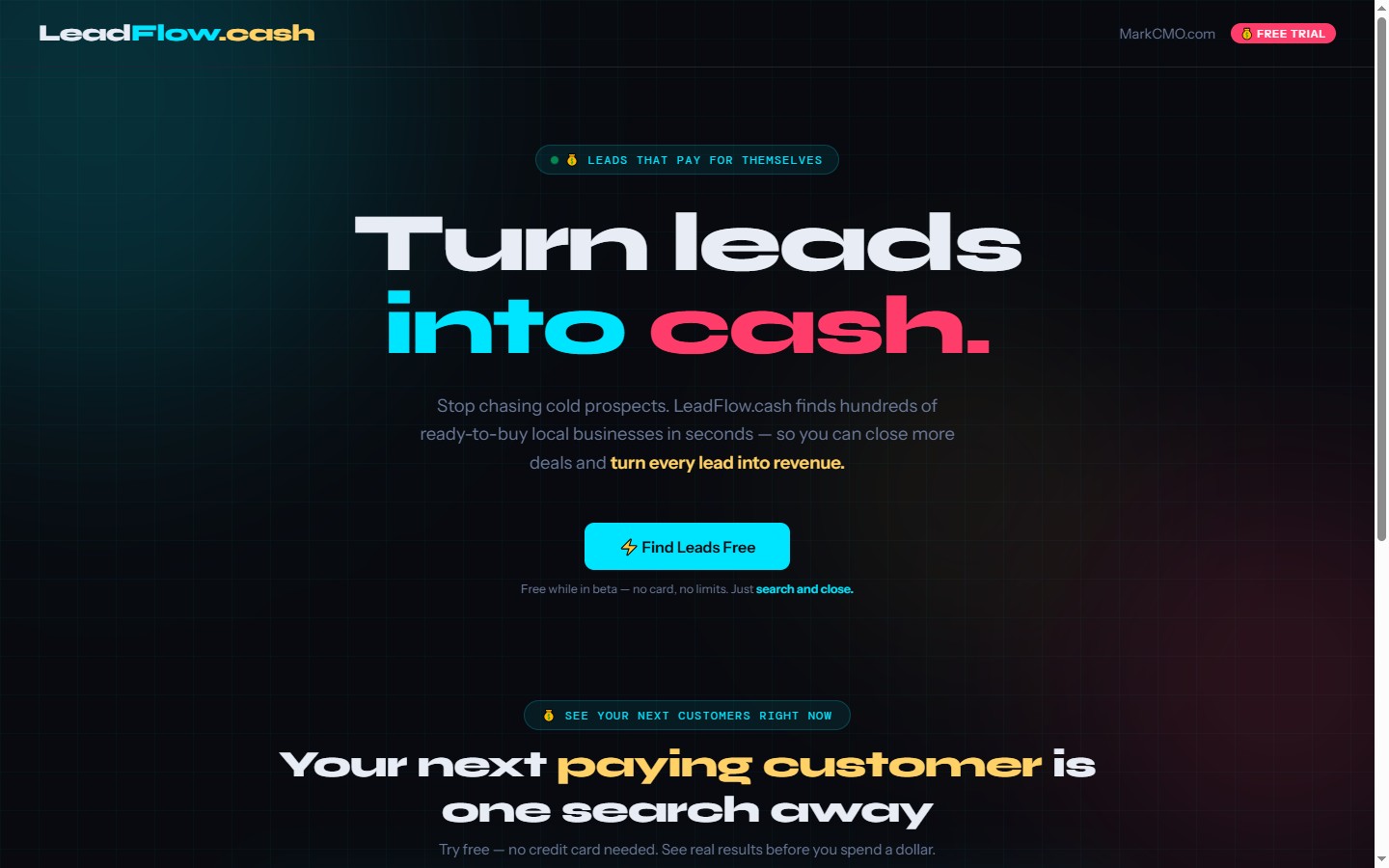
LeadFlow
Revenue-Generating Lead Systems
A premium lead generation and sales automation platform for business owners who need predictable, systemized revenue. The .cash domain signals exactly what it delivers. Replaces four to five tools with one unified pipeline system.
What It Does
CRM pipeline management, automated lead nurturing, call tracking, two-way SMS, email sequences, and appointment booking, all in one system that converts strangers into clients on autopilot.
Skills Demonstrated
- Sales funnel architecture
- CRM & automation stack design
- Lead magnet strategy
- Revenue operations design
- Multi-channel outreach systems
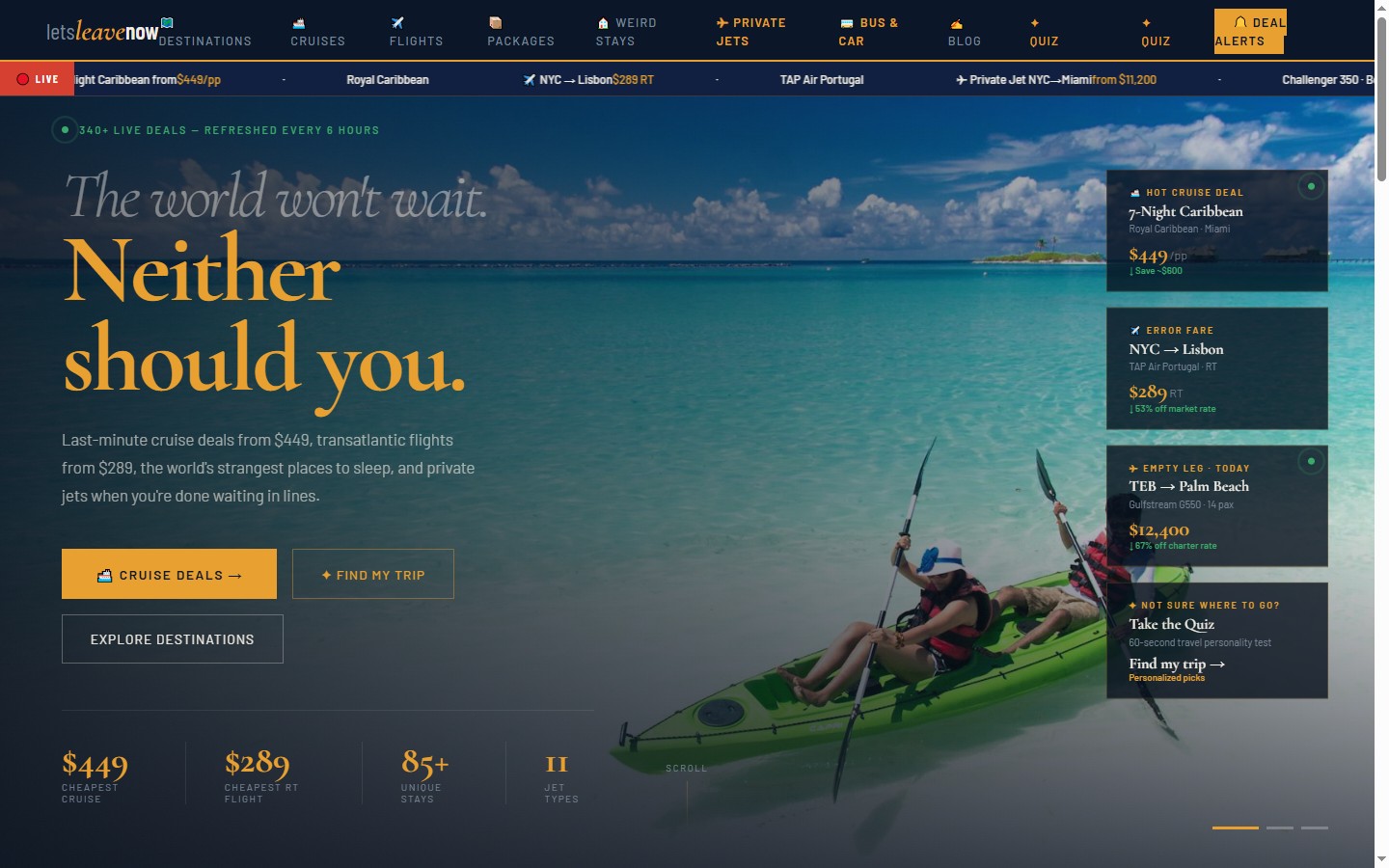
Let's Leave Now
Travel & Relocation Discovery Platform
A lifestyle-driven travel and relocation platform that captures high-intent audiences at the moment of decision, when they're ready to go. Built on emotional trigger positioning targeting remote workers, digital nomads, and relocation-curious consumers.
What It Does
Destination guides, cost-of-living comparisons, relocation resources, and curated recommendations. Monetized through affiliate partnerships, sponsored content, and relocation services.
Skills Demonstrated
- Content-led brand building
- Travel affiliate strategy
- Emotional trigger positioning
- SEO destination content
- Remote work audience targeting
Microgreen USA
Premium American Microgreens Brand
A premium DTC brand at the intersection of health science and sustainable American agriculture. Built in a rapidly expanding category, microgreens are among the most nutrient-dense superfoods with 20% annual market growth and huge DTC upside.
What It Does
Serves health-conscious consumers, meal prep enthusiasts, and restaurant buyers with fresh, domestically grown microgreens. Built for DTC eCommerce with subscription box potential and B2B wholesale.
Skills Demonstrated
- DTC eCommerce strategy
- Health & wellness positioning
- Subscription revenue models
- Agricultural brand identity
- Influencer + content marketing

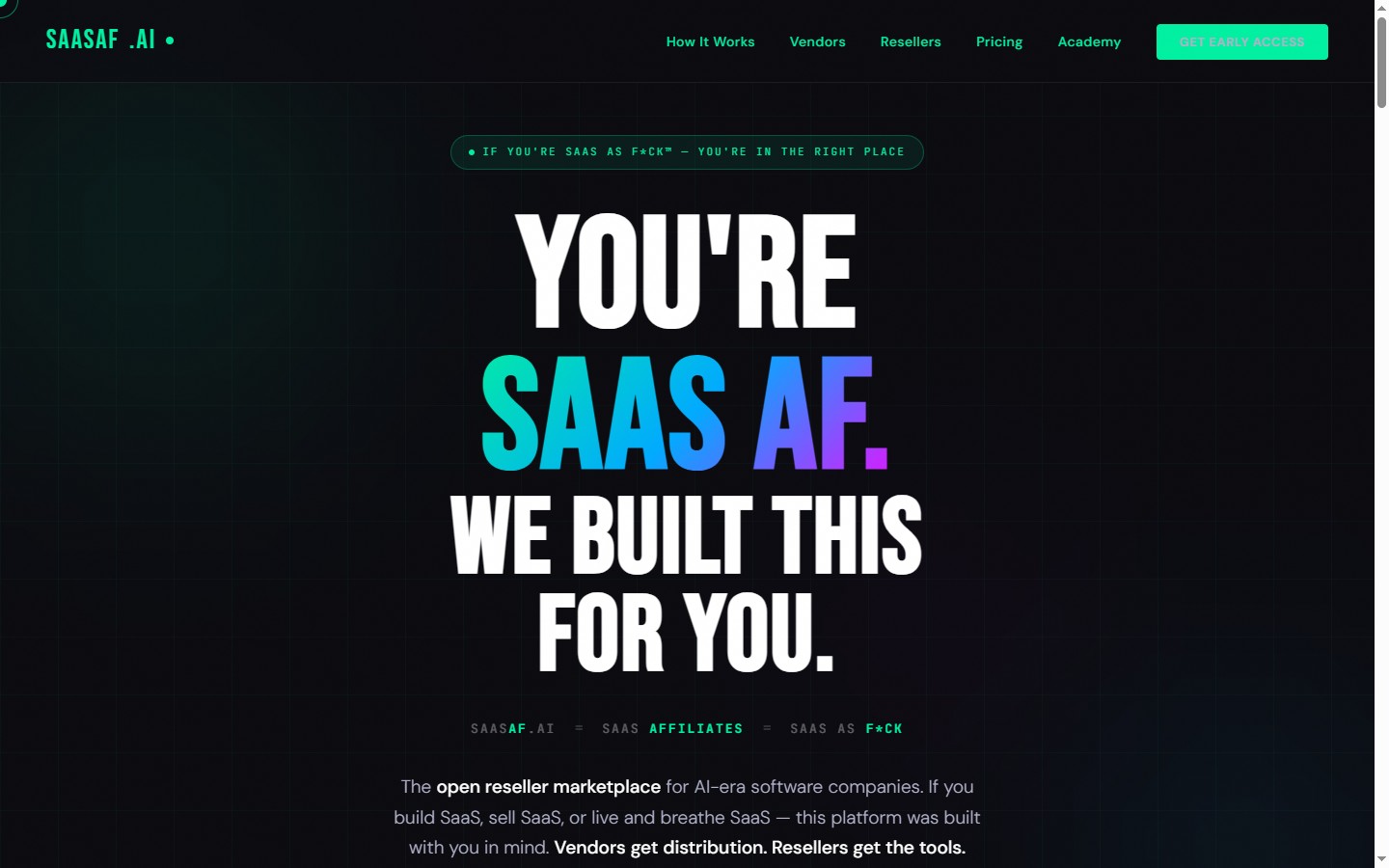
SaasAF
AI-Native SaaS Platform
An AI-native SaaS platform with an unapologetically bold name built to be remembered. Premium .ai domain secured through 2028. Built for the frontier of the SaaS revolution, where AI is the foundation, not a feature.
What It Does
AI-powered business tool platform for founders, marketers, and operators deploying AI across sales, marketing, operations, and customer success. Aggressive positioning in a crowded, high-growth space.
Skills Demonstrated
- AI product strategy
- SaaS brand positioning
- Technical GTM planning
- Developer-audience marketing
- AI toolchain architecture
SwipeHire 365
365-Day Intelligent Hiring Platform
An HR tech platform that reimagines hiring for SMBs, bringing consumer-app intuition to B2B recruiting. "365" signals always-on hiring infrastructure. Built to replace legacy ATS systems that are bloated, expensive, and hated by everyone who uses them.
What It Does
Employers post jobs, screen AI-matched candidates, schedule interviews, and manage pipelines from one dashboard. Job seekers get a frictionless application experience. 10x simpler than existing solutions.
Skills Demonstrated
- HR tech product design
- Two-sided marketplace strategy
- AI matching & screening
- Consumer UX applied to B2B
- SMB hiring workflow design
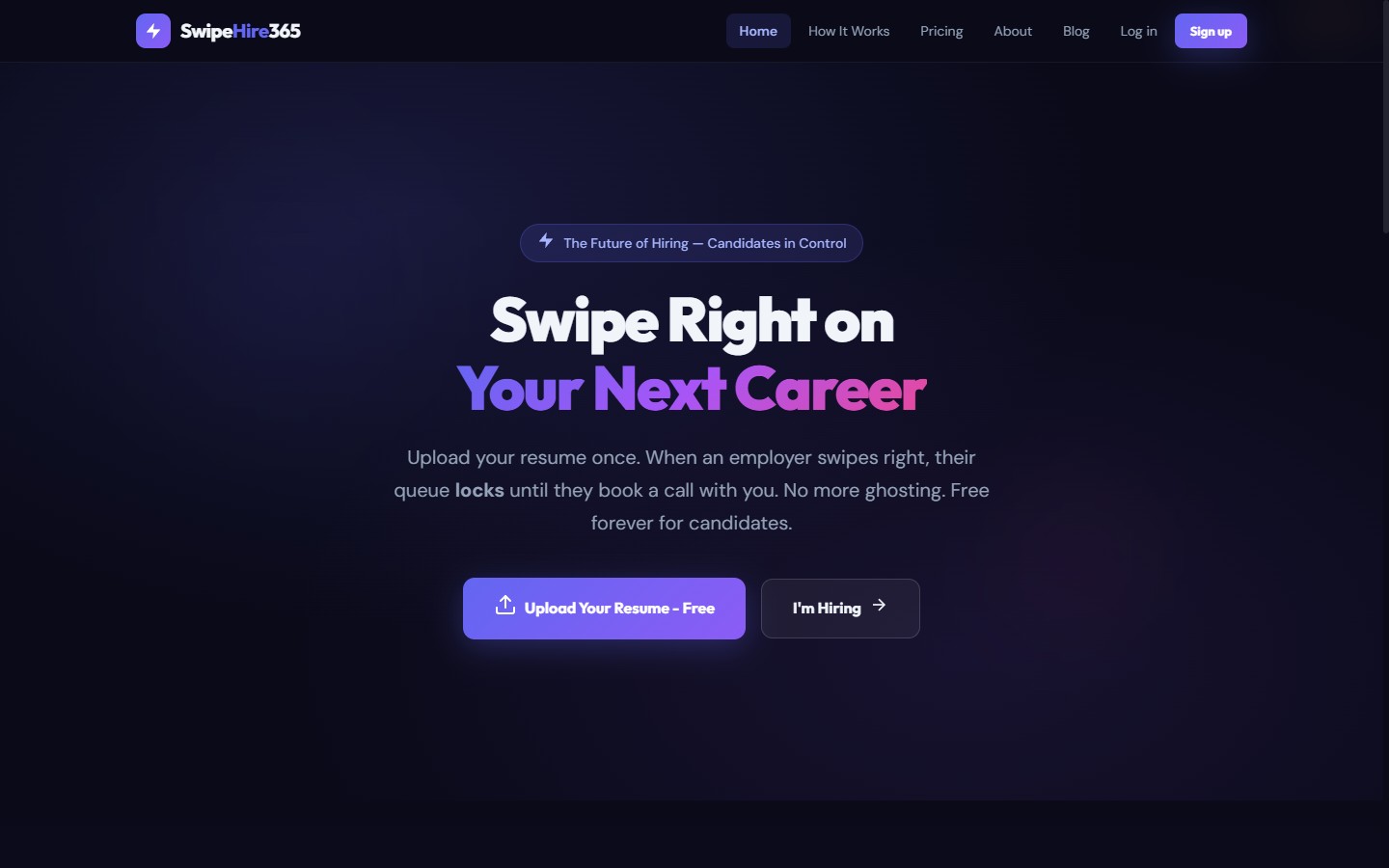
Table Greens
Farm-Fresh Greens for the Modern Table
A premium farm-to-table greens brand built at the intersection of culinary culture and clean eating. Where Microgreen USA is superfoods, Table Greens is daily culinary excellence, serving consumers and restaurant buyers with curated, restaurant-quality fresh greens delivered direct.
What It Does
B2C weekly greens box subscription + B2B restaurant wholesale. Built around beautiful food photography, culinary culture, and the fast-growing clean-eating movement.
Skills Demonstrated
- Premium food brand design
- B2C + B2B dual-channel strategy
- Subscription box design
- Restaurant wholesale GTM
- Food brand storytelling

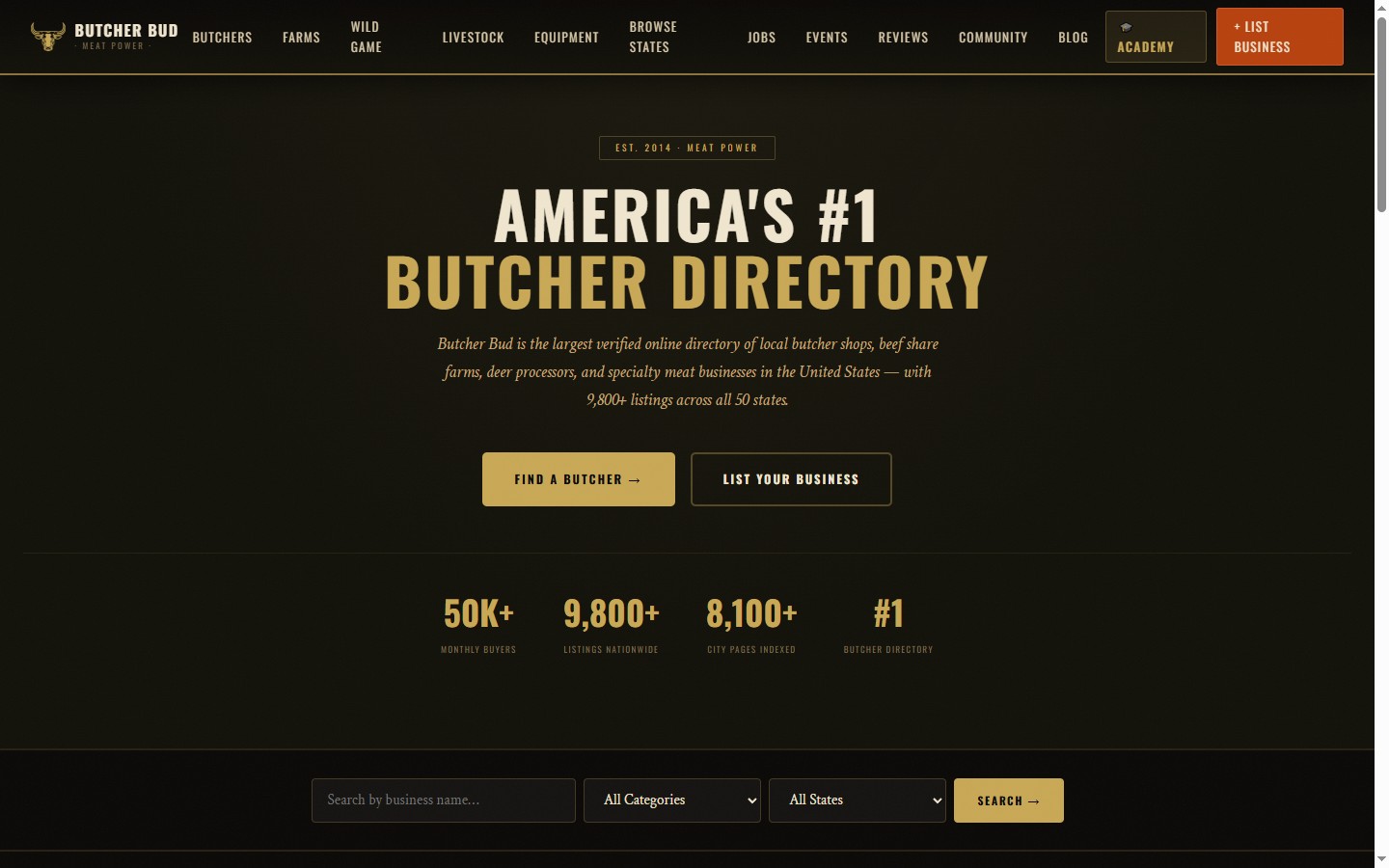
Butcher Bud
Your Neighborhood Butcher, Online
A DTC meat and provisions brand built around the trusted warmth of the neighborhood butcher, now available online. Instantly memorable, friendly, and differentiated in a category dominated by cold corporate giants. Built on quality storytelling and provenance.
What It Does
Connects consumers with premium locally-sourced cuts, weekly box subscriptions, grilling guides, and genuine butcher expertise. Competes on trust and story rather than price.
Skills Demonstrated
- DTC food eCommerce strategy
- Brand voice & personality design
- Subscription box architecture
- Local-to-national expansion
- Content marketing for food brands
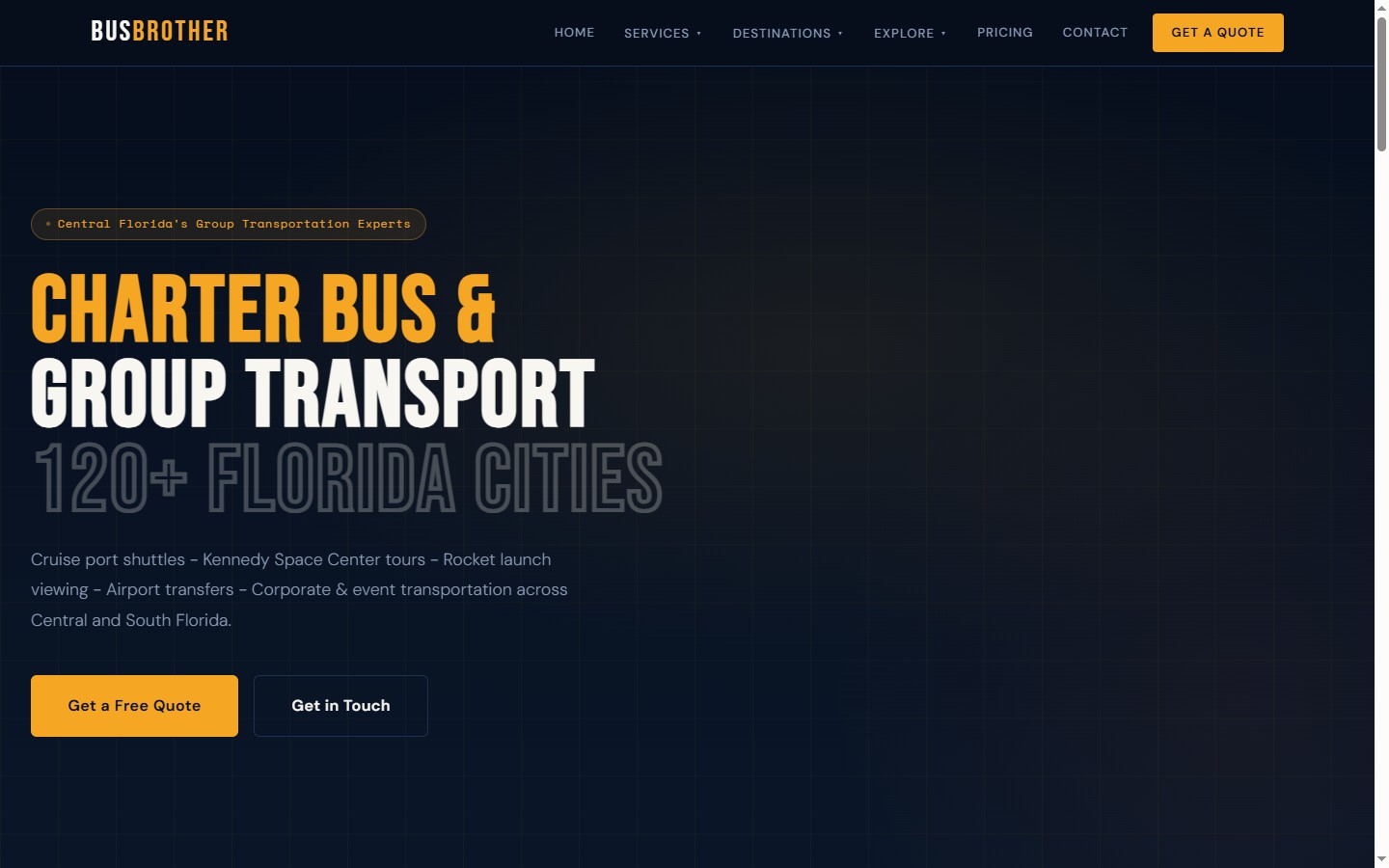
Bus Brother
On-Demand Group Transport Platform
A transportation marketplace targeting the massively underserved group transit market. Think on-demand for buses, connecting organizations with vetted operators in a market that still runs on phone calls. Classic marketplace disruption in a $15B+ industry.
What It Does
Serves both supply (bus operators seeking bookings) and demand (organizations needing transport). Corporate shuttles, events, school trips, sports teams, municipal contracts.
Skills Demonstrated
- Two-sided marketplace design
- Fleet operator acquisition
- Enterprise & municipal sales GTM
- Logistics platform UX
- B2B transport positioning
Mark CMO
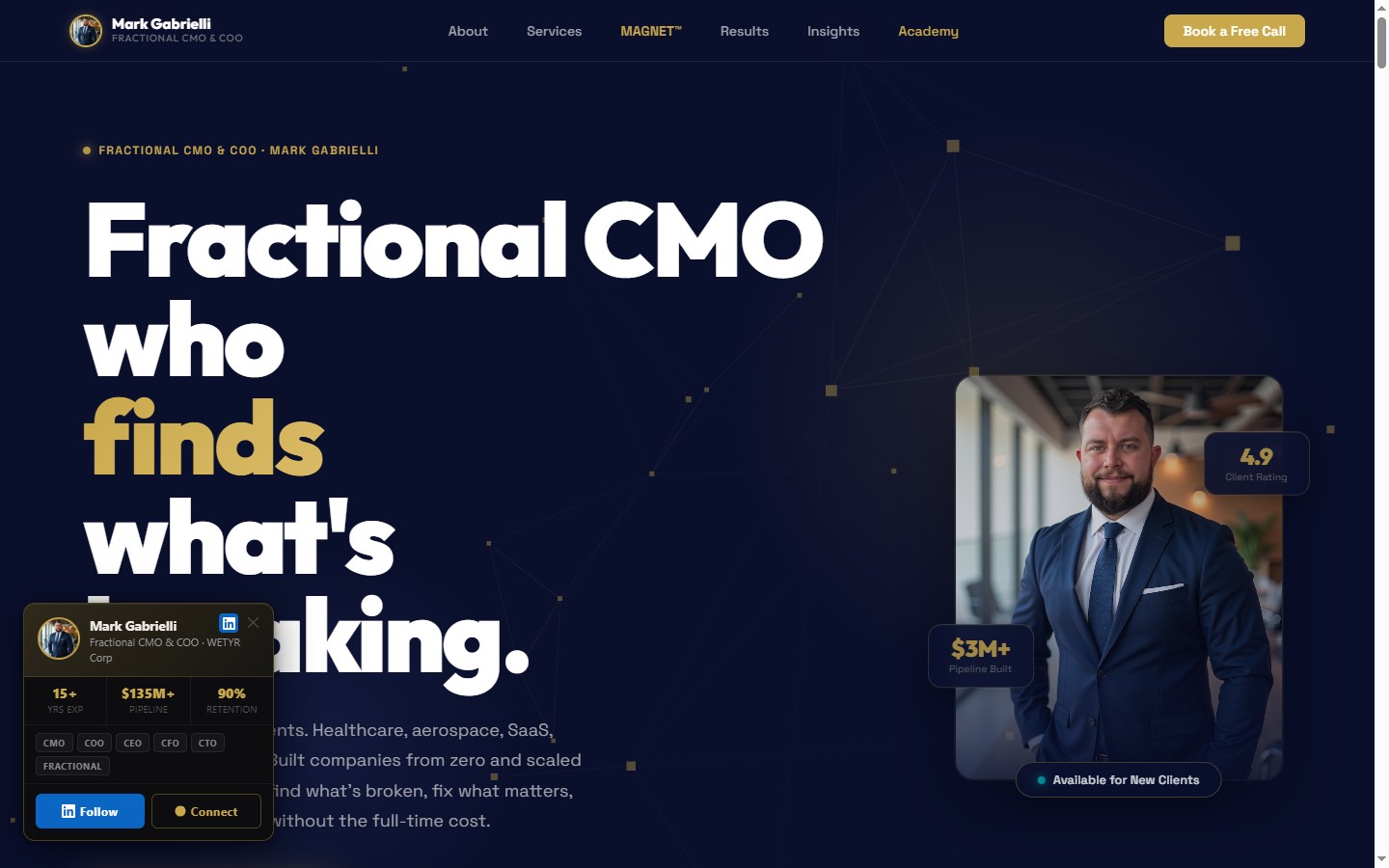
Personal Brand & Executive Hub
The flagship personal brand, the site you're on right now. Built from scratch as a high-performance lead generation and authority platform. Every design decision, content piece, and SEO element was engineered with intention to demonstrate exactly what Mark does for clients.
What It Does
Proves Mark's capabilities live: high-converting design, technical SEO, schema markup, custom UX, strategic content, and full-stack digital authority. Not just a resume, a working proof of concept.
Skills Demonstrated
- Personal brand architecture
- Conversion-focused web design
- Full-stack technical SEO
- Fractional executive positioning
- Lead generation funnel design
The Doctor Directory
Premium Healthcare Provider Directory
A premium, SEO-optimized directory platform connecting patients with verified physicians, specialists, and healthcare providers across the United States. Built at the intersection of healthcare and high-intent search, a category where a single patient lead can be worth thousands of dollars.
What It Does
Serves both patients seeking providers and healthcare businesses seeking patient volume. Monetized through premium listings, featured placement, and verified provider lead generation. Targets one of the highest-CPM verticals in digital advertising.
Skills Demonstrated
- Healthcare directory architecture
- High-intent SEO for medical search
- B2B healthcare provider sales
- Lead generation at scale
- HIPAA-conscious platform design
- Two-sided marketplace monetization

SEO Scalr
AI-Powered SEO Growth Platform
An AI-powered SEO platform built for businesses that need to scale organic search without scaling headcount. SEO Scalr automates the most time-consuming parts of search optimization, from keyword research and content briefs to technical audits and rank tracking, giving teams the output of a full SEO agency at a fraction of the cost.
What It Does
Serves marketing teams, agencies, and founders who need real SEO results without the bloat of legacy tools or the expense of full-service retainers. Built around AI-assisted workflows that turn SEO strategy into executed content and technical wins.
Skills Demonstrated
- AI-assisted SEO product design
- Keyword strategy & content architecture
- Technical SEO automation
- SaaS growth & onboarding optimization
- Marketing agency competitor positioning
- Organic acquisition channel strategy

Stock Pilot
Smart Inventory & Stock Management
An operations-focused inventory and stock management platform designed for SMBs drowning in spreadsheets. Stock Pilot gives product businesses, from eCommerce operators to brick-and-mortar retailers to food service companies, intelligent, real-time visibility into their inventory without enterprise-level complexity or cost.
What It Does
Replaces manual inventory tracking, disconnected spreadsheets, and expensive ERP modules with a clean, intuitive platform that alerts owners before they run out, over-order, or miss a reorder window. The .vip TLD signals premium positioning within the SMB operations category.
Skills Demonstrated
- Inventory management product design
- SMB operations workflow mapping
- SaaS pricing & packaging strategy
- eCommerce + retail platform integration
- Real-time alerting & dashboard UX
- Operations automation architecture

Elso Contracting
Marketing Strategy & Business Consulting
Elso Contracting is a construction and contracting company delivering quality workmanship across residential and commercial projects. Mark provides marketing strategy and business consulting, helping Elso build its digital presence, generate qualified project leads, and position the business for sustainable local market growth.
Services Provided
- Local market marketing strategy
- Lead generation & digital presence
- Brand positioning & messaging
- Website strategy & conversion optimization
- Business growth consulting
- Contractor market competitive analysis
CONTRACTING
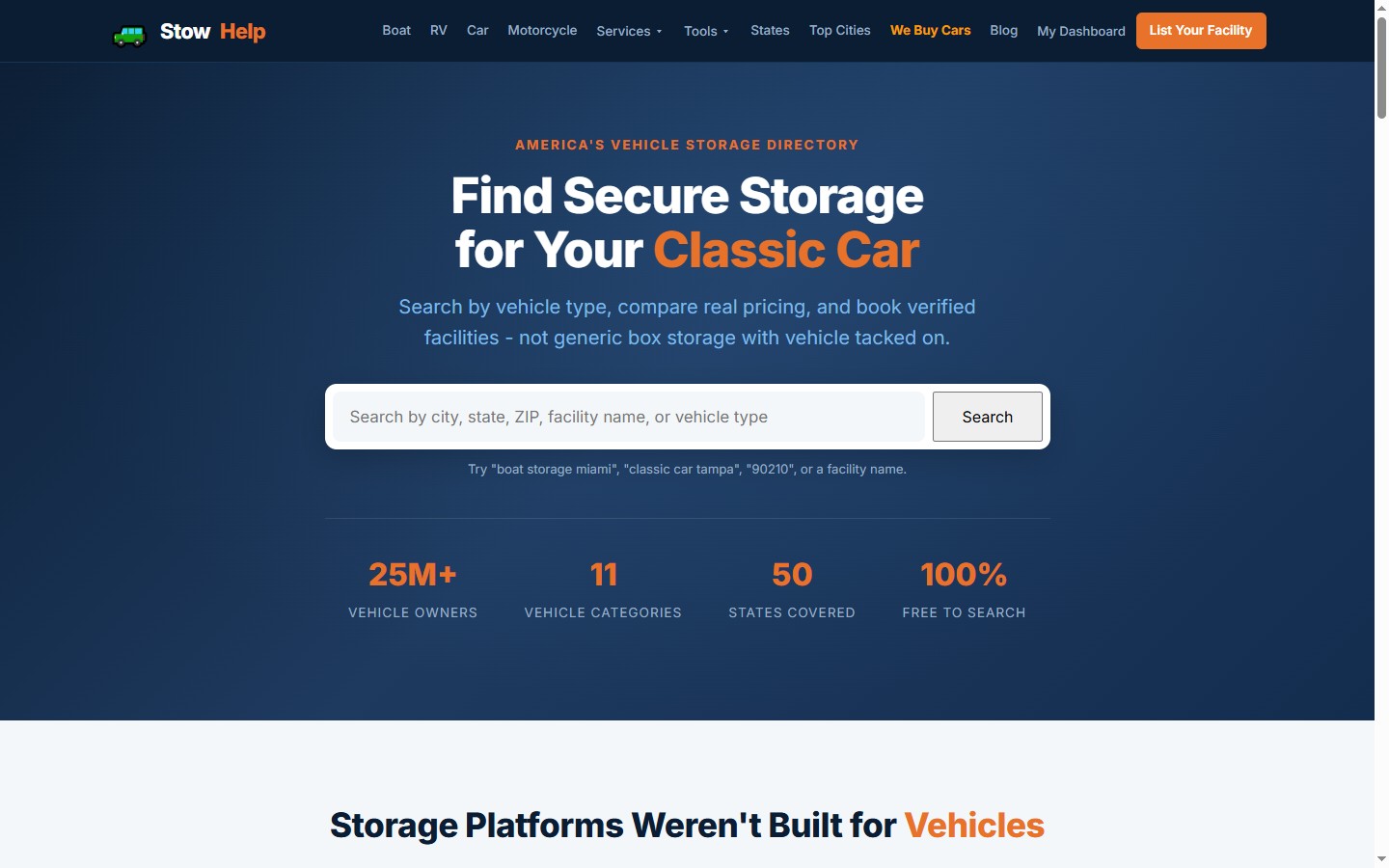
StowHelp
Find Storage. Any Type. Anywhere.
A self-storage and specialty storage directory built for the $39B US storage market. Covers self-storage, boat storage, RV storage, vehicle storage, and wine storage with a 4-tier listing model and city/state SEO architecture. High-CPC directory vertical with verified badge system and lead gen dashboard.
What It Does
Connects storage seekers with verified facilities across every storage category. Free listings earn leads, paid tiers ($99/$249/$499-999/mo) get priority placement, enhanced profiles, and direct inquiry routing.
Skills Demonstrated
- Local SEO directory architecture
- 4-tier monetization model design
- Lead generation funnel build
- Verified badge and trust system
- High-CPC vertical targeting
CubHelp
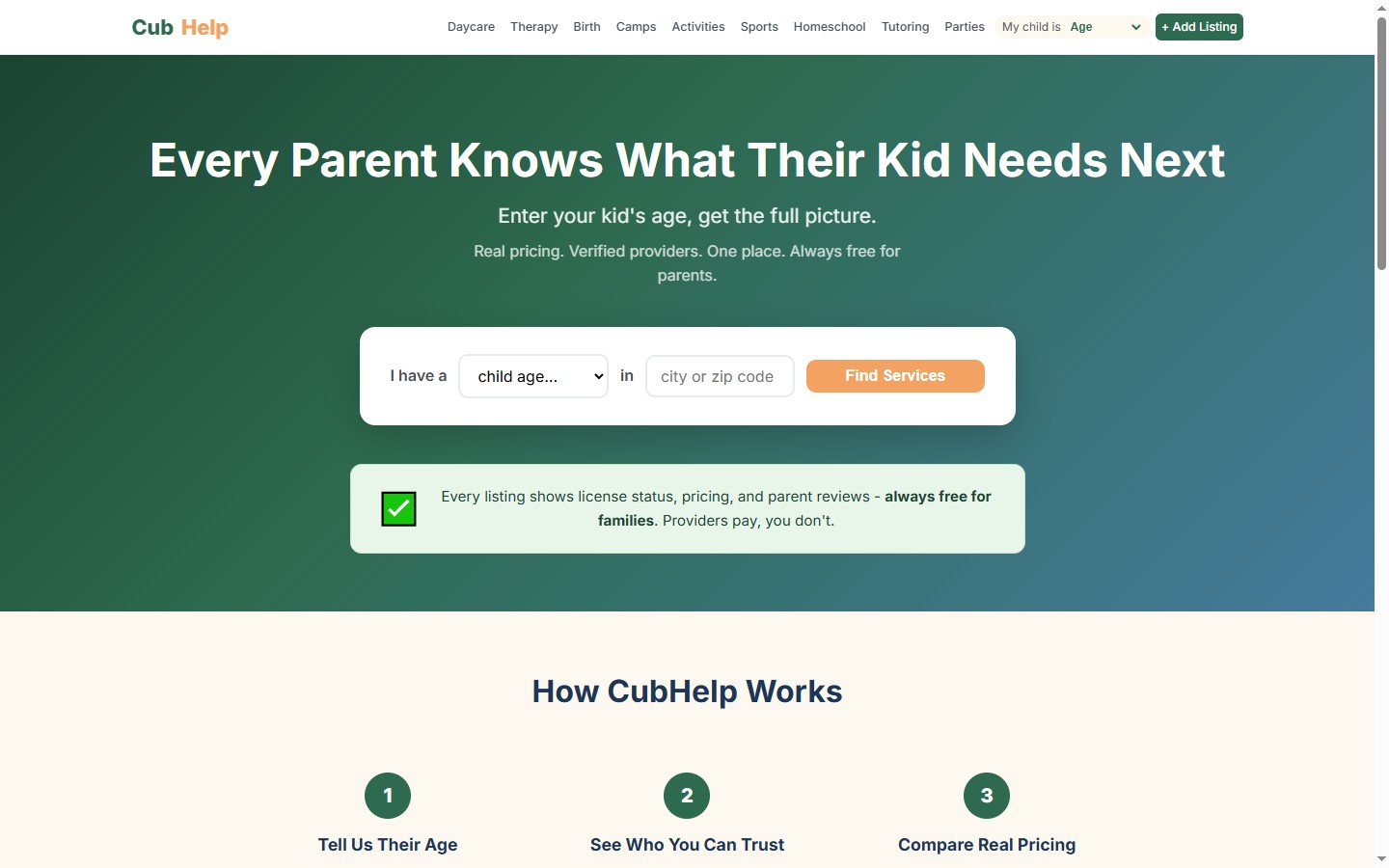
Every Parent Knows What Their Kid Needs Next
A children activities and parenting resource platform covering the $10B+ US children activity market. Age-based activity guides, birthday party directory, local service listings, and a cost calculator built with multi-state local SEO coverage. Parents find the right activity for the right age in their city.
What It Does
Helps parents discover age-appropriate activities, local classes, birthday party venues, and children services. Providers list services across tiers. SEO content covers every major city and age bracket.
Skills Demonstrated
- Parenting vertical content strategy
- Age-based taxonomy architecture
- Local services directory build
- Cost calculator UX and monetization
- Multi-state SEO at scale
POYVerify
Verify Who You Are. Pay As You Go.
A pay-over-time background and identity verification platform built for gig workers, landlords, and HR teams. Cryptographic stamp system, multi-factor verification, GDPR compliance, and an admin panel with enrollment workflow. Built for the creator economy where trust is currency.
What It Does
Lets individuals verify their identity once and share a verifiable credential across platforms. Businesses use the API for background check workflows without committing to per-check enterprise pricing.
Skills Demonstrated
- Identity verification architecture
- Pay-over-time SaaS model
- GDPR compliance workflow
- Multi-factor auth design
- Creator economy positioning

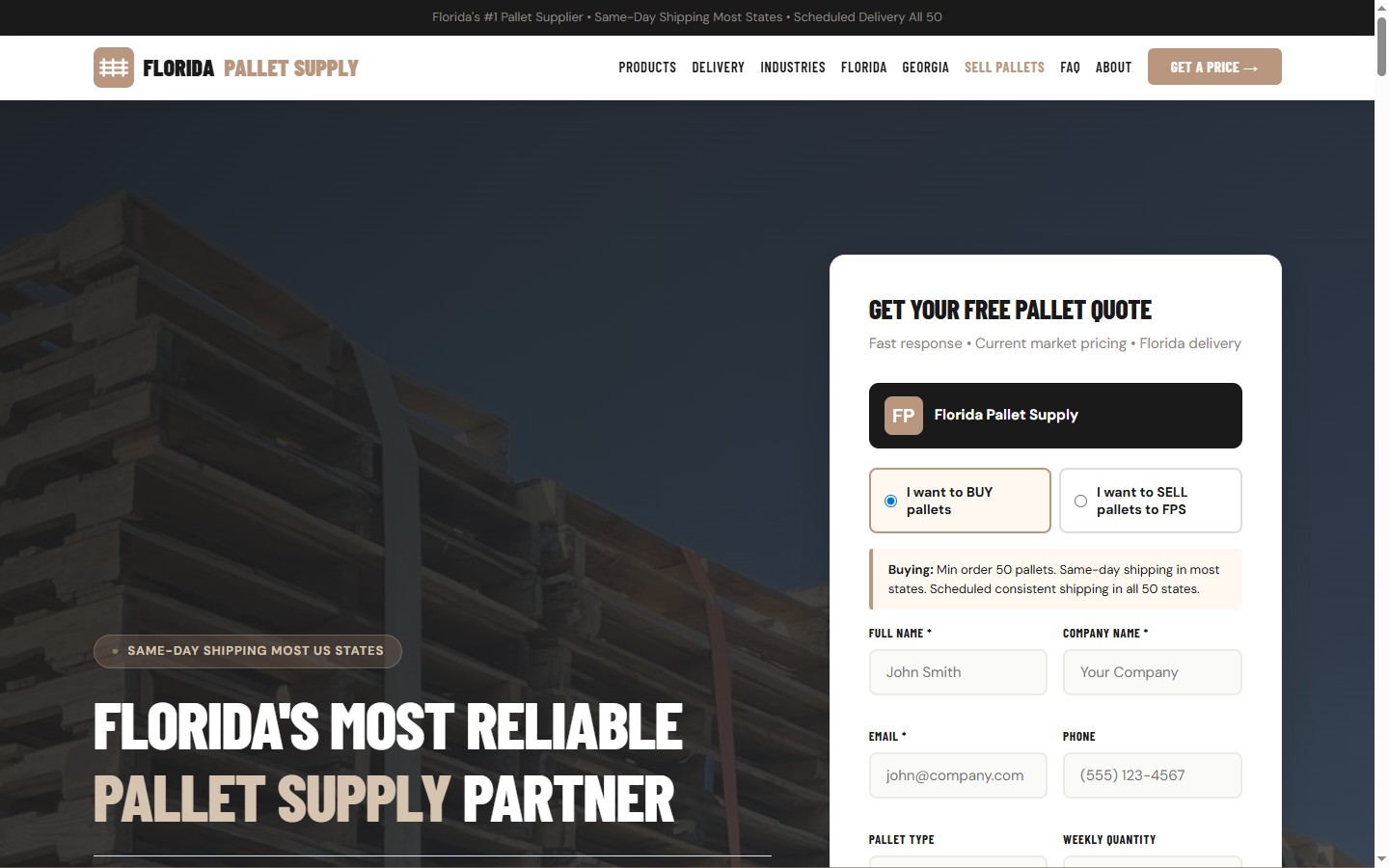
Florida Pallet Supply
Wholesale Pallet Supply Across Florida
A wholesale pallet supply marketplace connecting distributors, warehouses, and buyers across Florida. Local SEO architecture by city and county, quote request engine, verified supplier profiles, and lead gen funnels targeting industrial buyers in a market that still runs on phone calls.
What It Does
Buyers find verified pallet suppliers by location and type. Suppliers get qualified inbound leads through city-level SEO. The quote engine routes requests directly to the right supplier without middleman friction.
Skills Demonstrated
- Industrial B2B marketplace design
- Local SEO by city and county
- Quote funnel architecture
- Supplier verification system
- High-intent B2B lead gen
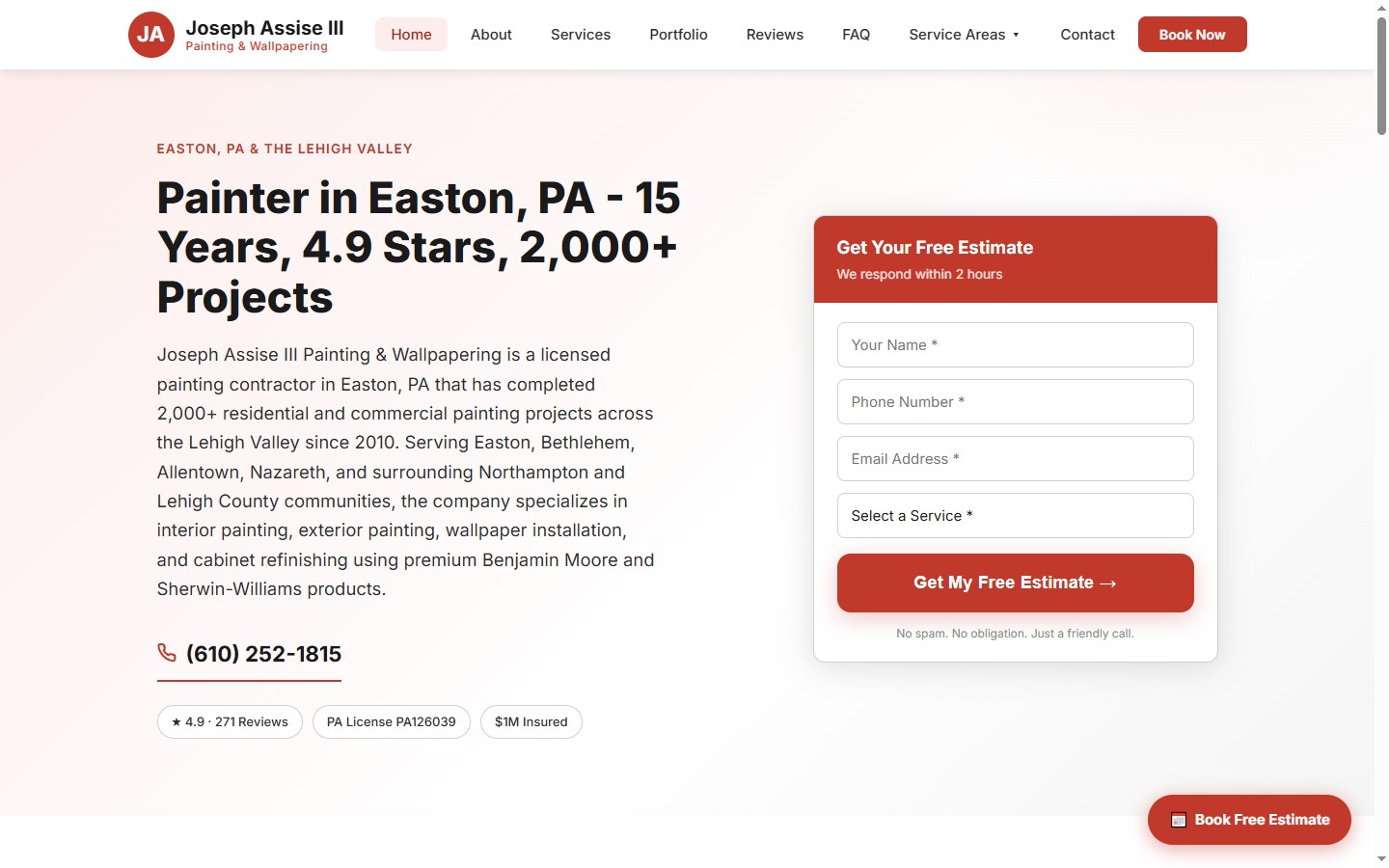
Joseph Assise Painting
Built Right. Built to Last.
A professional painting services brand built for local search dominance in a highly competitive home services vertical. Review aggregation engine, before/after portfolio, booking funnel, and local citation strategy designed to convert high-intent local searches into booked jobs.
What It Does
Homeowners and property managers find a trusted local painter through organic search. The site converts visitors with social proof, portfolio work, and a friction-free booking flow optimized for mobile.
Skills Demonstrated
- Local services brand strategy
- Google Maps and local SEO
- Review and reputation system
- Home services conversion funnel
- Mobile-first booking UX
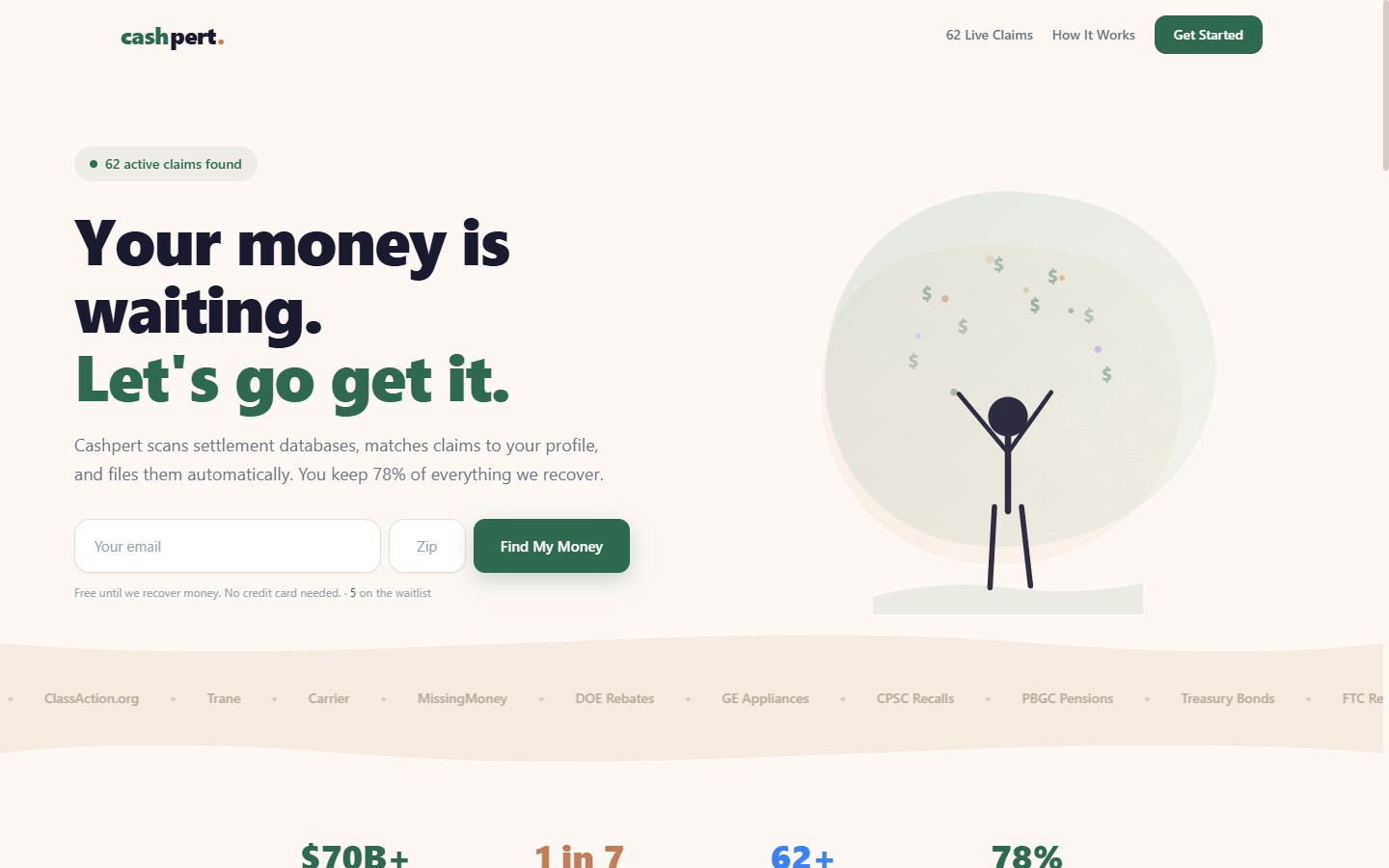
Cashpert
Find Your Unclaimed Money in 60 Seconds.
A performance-based unclaimed money finder built on a 72-database scanner covering state, federal, and institutional sources. Automated claim filing engine, 22% success fee model, referral program, and profile matching. Revenue is earned only on successful claims - the most compelling SaaS offer in personal finance.
What It Does
Users enter their name and state. Cashpert scans 72 databases, identifies matching unclaimed funds, and files claims on their behalf. Revenue is a percentage of recovered amounts - zero cost to the user if nothing is found.
Skills Demonstrated
- Performance-based revenue model
- 72-database API integration
- Automated claim filing engine
- Personal finance SEO strategy
- Zero-friction user acquisition
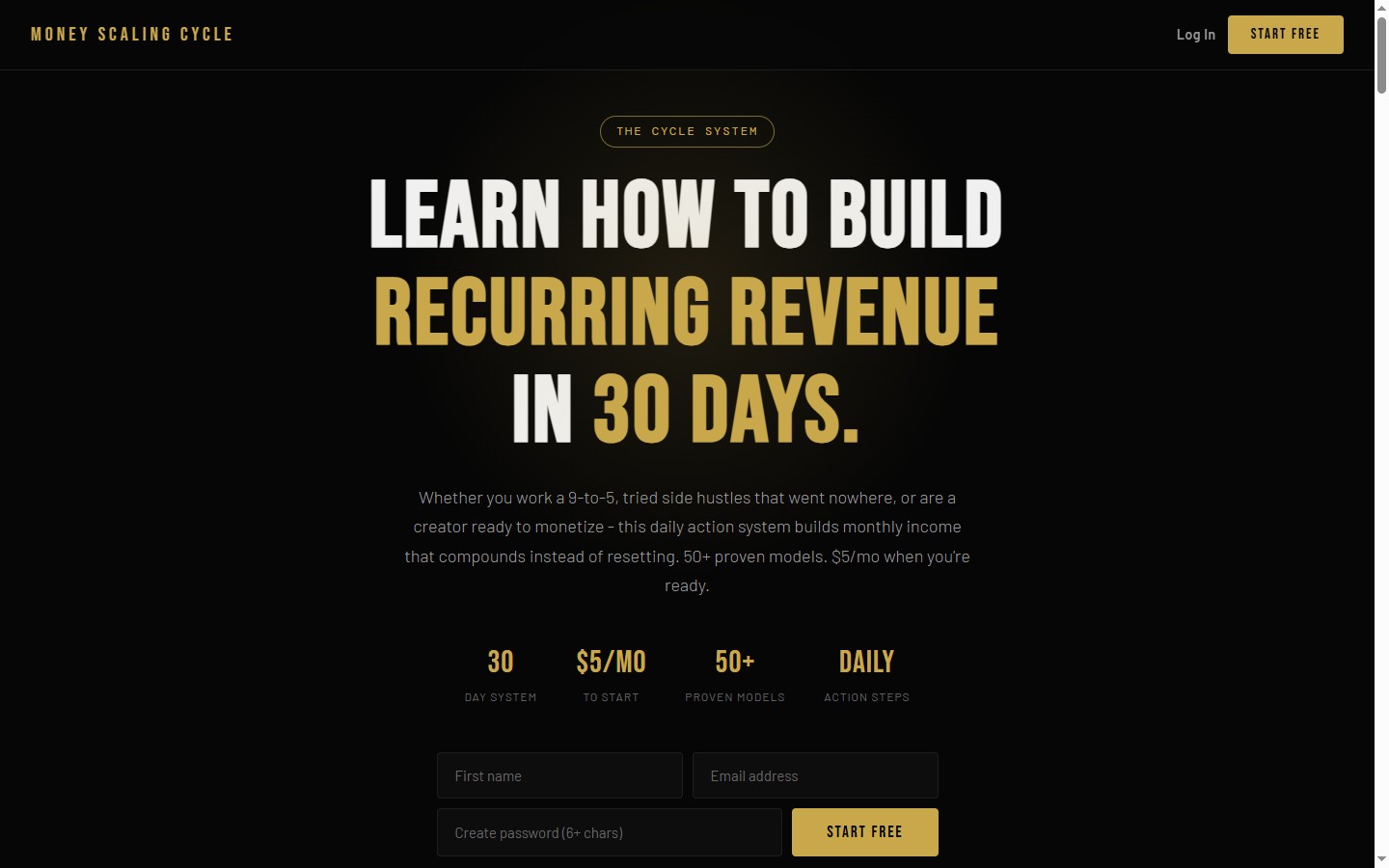
Money Scaling Cycle
The System Behind Scaling Revenue.
A comprehensive business growth platform with a 35-table schema, 3 payment processors (Whop, Gumroad, LemonSqueezy), and a 19-function email engine with warmup, deliverability monitoring, and DNS management. LinkedIn and Twitter OAuth, GoDaddy DNS API, Discord and Slack webhooks, quiz segmentation, affiliate tracking, and a full VDR. One of the most engineered platforms in the portfolio.
What It Does
Operators and founders use the platform to systematize their revenue growth through structured frameworks, community accountability, and automated outreach infrastructure. The affiliate and referral engine drives acquisition while the email OS drives retention.
Skills Demonstrated
- Multi-processor payment architecture
- 19-function email infrastructure
- OAuth and social integration
- Affiliate and referral system
- Business framework productization
MarkCMO Academy
CMO-Level Thinking. On Your Schedule.
A 4-track certification platform covering CMO, CEO, CFO, and COO competencies. Exam engine with auto-grading, progress tracking, diploma generation, email drip sequences, enrollment system, shopping cart, and admin analytics. Built as the educational arm of the MarkCMO brand - executive education at a fraction of MBA cost.
What It Does
Professionals earn C-suite certifications through structured learning tracks. Each track includes coursework, assessments, and a verifiable diploma. The platform generates recurring revenue while positioning Mark as the definitive voice in executive education.
Skills Demonstrated
- LMS architecture and course design
- Exam engine and auto-grading system
- Diploma generation workflow
- Executive education positioning
- Email drip for course completion

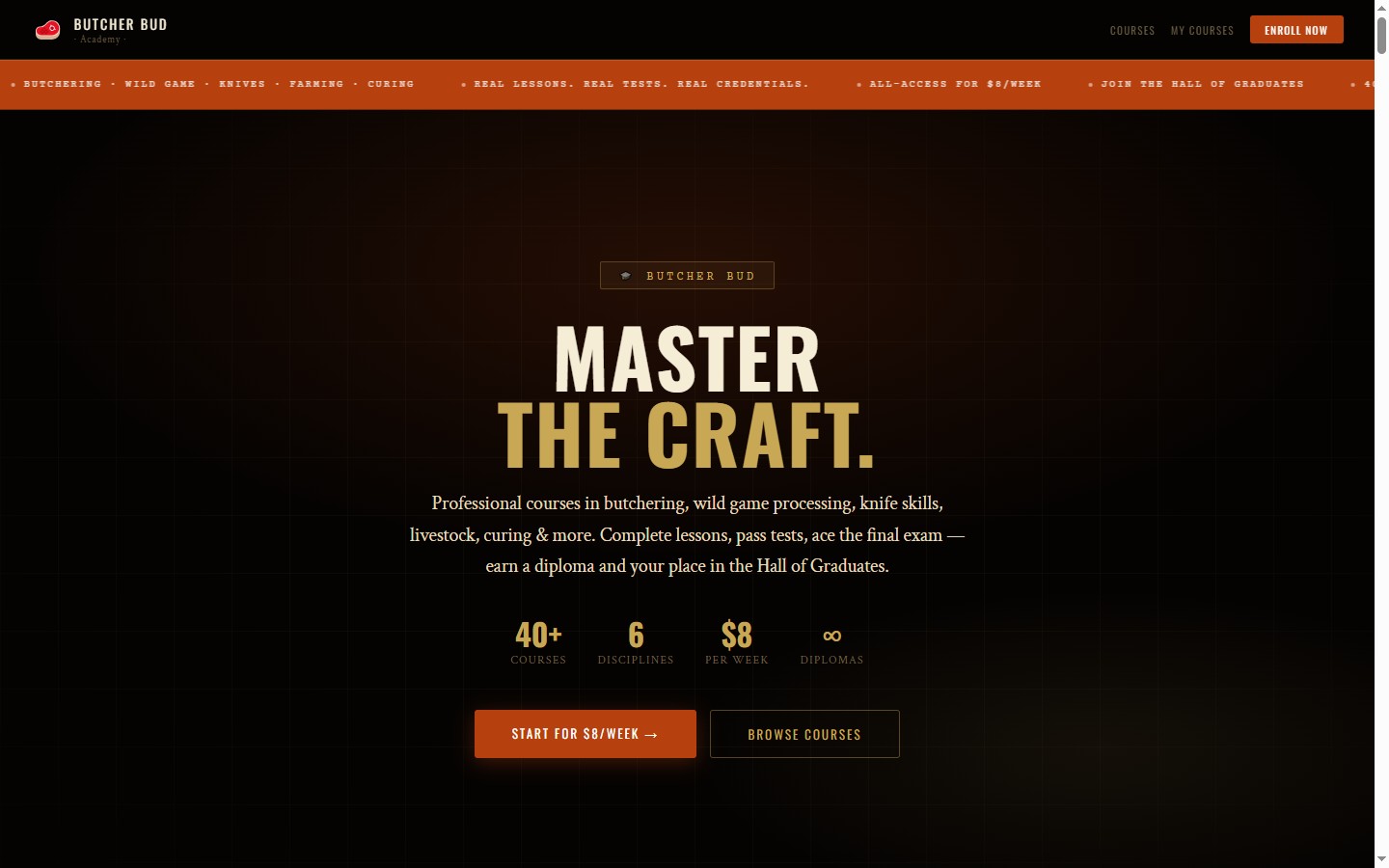
Butcher Bud Academy
Master the Craft. From Cut to Cook.
A multi-course LMS built around the Butcher Bud brand covering meat cuts, preparation techniques, BBQ mastery, and food business operations. Lesson streaming, exam system, graduation and diploma generation, student analytics, drip email sequences, and an admin panel. Architected as white-label ready for any food or niche education brand.
What It Does
Enthusiasts and aspiring food professionals enroll in structured courses. The platform handles everything from enrollment to diploma issuance. The white-label architecture means this same infrastructure can be redeployed for any niche vertical requiring structured education and certification.
Skills Demonstrated
- Niche content LMS architecture
- White-label platform design
- Diploma and certification system
- Student lifecycle email automation
- Food and craft vertical positioning
MarkCMO Links
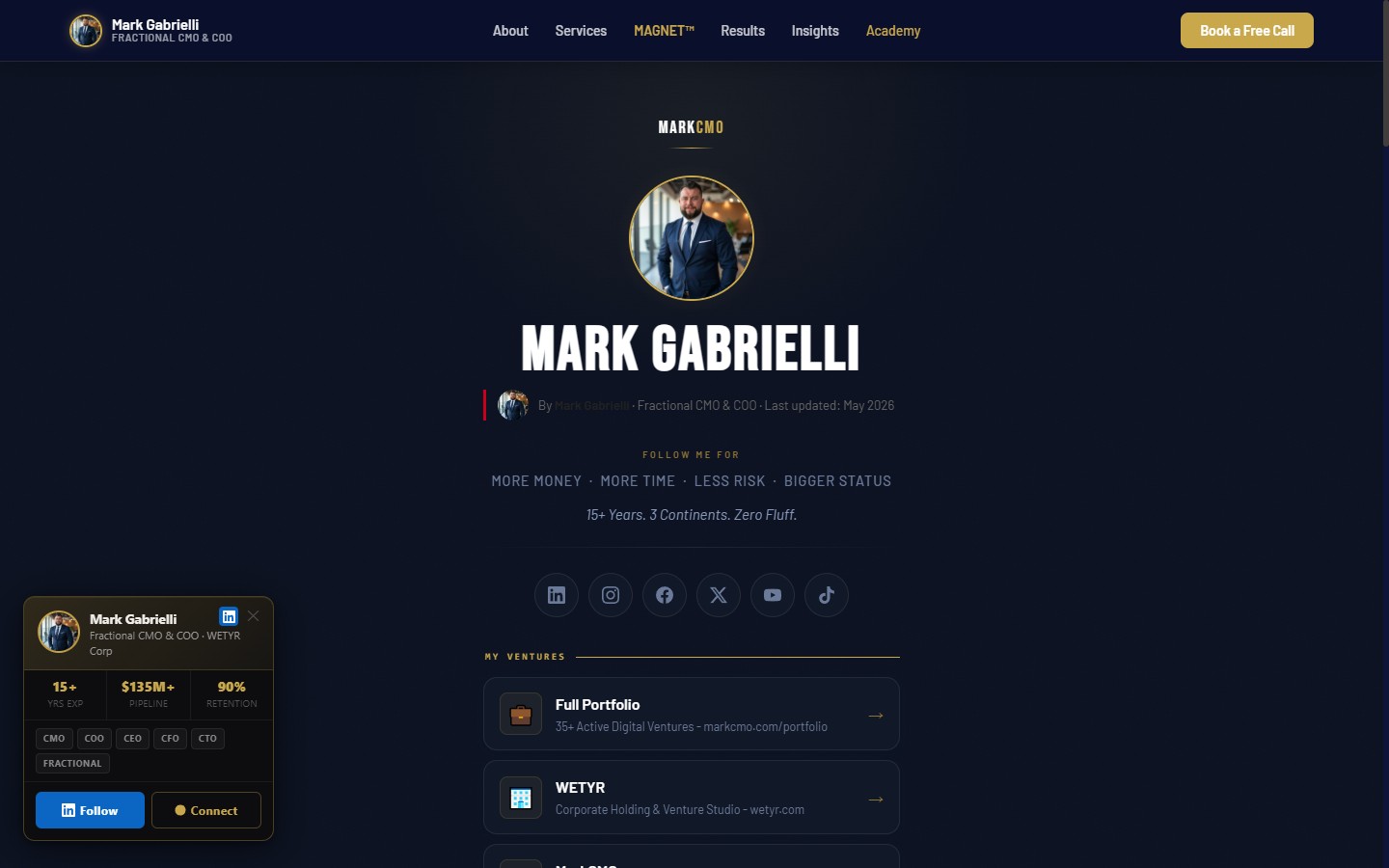
Everything Mark. One Page.
The central hub for everything Mark Gabrielli across the web. Book a strategy call, browse ventures, read insights, connect on LinkedIn, and access every channel in one place. Built as a high-converting link page optimized for mobile and designed to direct every click to the right destination.
What It Does
Serves as the single link-in-bio destination across all social platforms. Directs traffic to booking, ventures, services, blog, and social channels with a clean, branded experience that matches the MarkCMO aesthetic.
Skills Demonstrated
- Personal brand architecture
- Link page conversion optimization
- Mobile-first design
- Cross-channel traffic routing
- Brand consistency at every touchpoint
CarCashFlow
We Pay More. We Move Fast.
A programmatic acquisition platform for luxury and exotic vehicles ($40,000+). Built for high-net-worth sellers including collectors, estate executors, and family offices. Targets Ferrari, Porsche, Lamborghini, McLaren, and other exotic marques. 157,000+ programmatic SEO pages covering every state, city, make, and model combination. Revenue model spans direct acquisition spread plus 13 secondary streams including consignment, brokerage, PPI referrals, and insurance affiliate.
What It Does
Sellers get an instant market-informed offer for their exotic or luxury vehicle. The platform matches seller supply with wholesale and retail buyer demand at scale. Year 1 target: 200 acquisitions and $4.4M in gross revenue. Built on Astro + Cloudflare Pages + Supabase with full CRM and DocuSign integration.
Skills Demonstrated
- High-ticket acquisition funnel architecture
- Programmatic SEO at 157,000+ page scale
- HNW buyer and seller positioning
- Multi-stream revenue model design
- Astro + Cloudflare + Supabase full stack

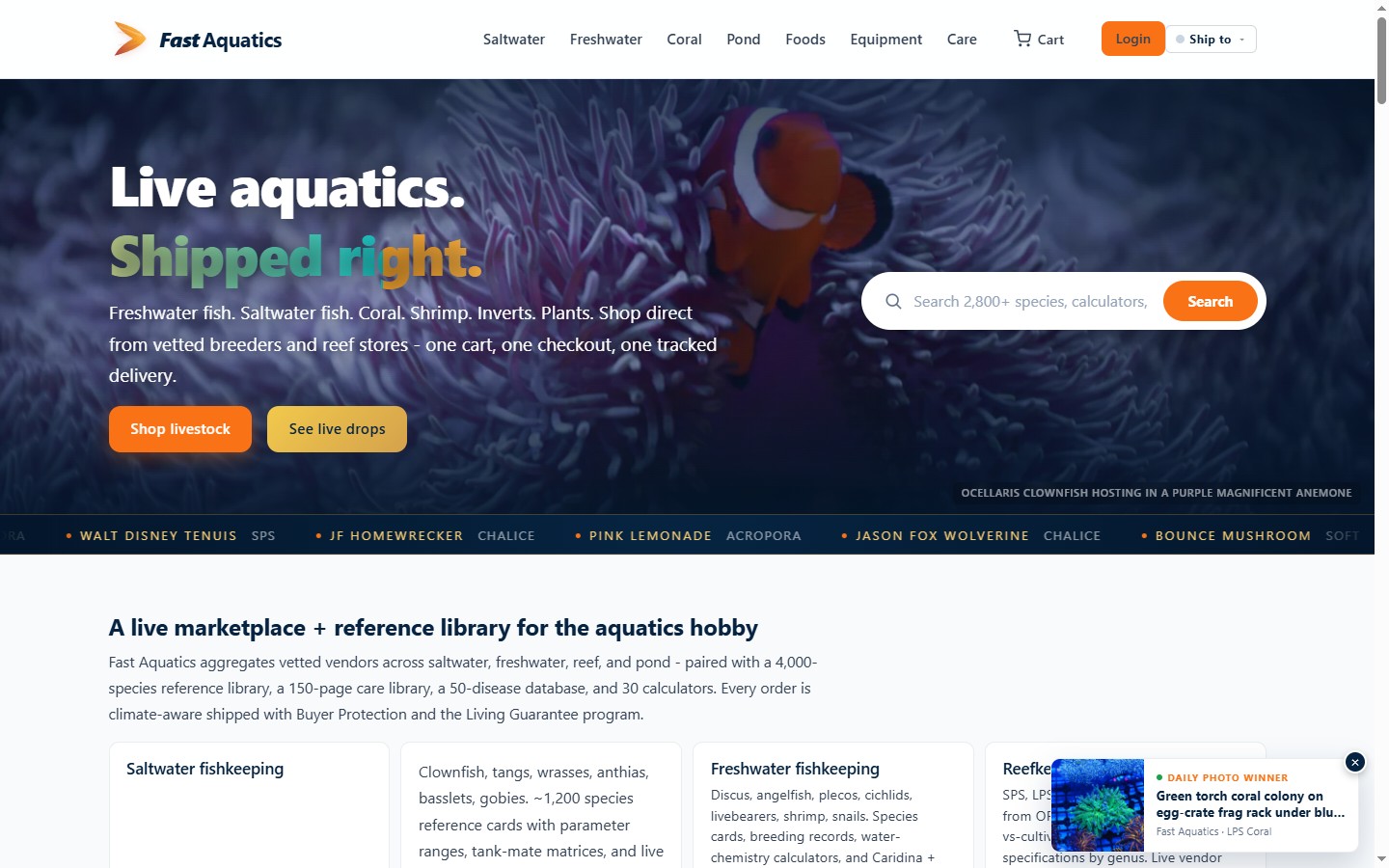
Fast Aquatics
Live Fish. Shipped to Your Door.
A programmatic marketplace for live aquatic livestock connecting hobbyists, breeders, and aquatic retailers. Species pages, care guides, live shipping logistics, and a full seller listing system. 144 backend functions handling listings, checkout, PayPal payments, admin operations, and email notifications. Built on Cloudflare Pages with Supabase for inventory and Resend for transactional email.
What It Does
Buyers find rare and common aquatic species with care guides and shipping options. Sellers list inventory with photos and pricing. The platform handles the full transaction lifecycle from browse to delivery. Species pages target long-tail search across thousands of aquatic organisms.
Skills Demonstrated
- Aquatic niche marketplace architecture
- Live livestock eCommerce logistics
- Programmatic species content at scale
- 144-function serverless backend
- Cloudflare Pages + Supabase + Resend stack
OneCashOffer
We Buy Houses. Any Condition. Fast Close.
A programmatic cash home buying platform covering Florida with 364 location pages spanning cities, counties, states, guides, situations, case studies, and blog content. Lead capture on every page routes to Supabase for instant CRM entry and Resend-powered email alerts. Built for motivated seller acquisition through organic search with an admin dashboard for lead management and pipeline tracking.
What It Does
Homeowners facing any situation (divorce, foreclosure, probate, relocation, inherited property) submit their address and receive a cash offer. Leads capture instantly to Supabase with automatic email notification to the acquisitions team. The platform is fully self-managing with an authenticated admin panel for pipeline review.
Skills Demonstrated
- Programmatic real estate SEO (364 pages)
- Motivated seller funnel architecture
- Lead-to-CRM automation pipeline
- Admin dashboard with authenticated access
- Florida market real estate positioning

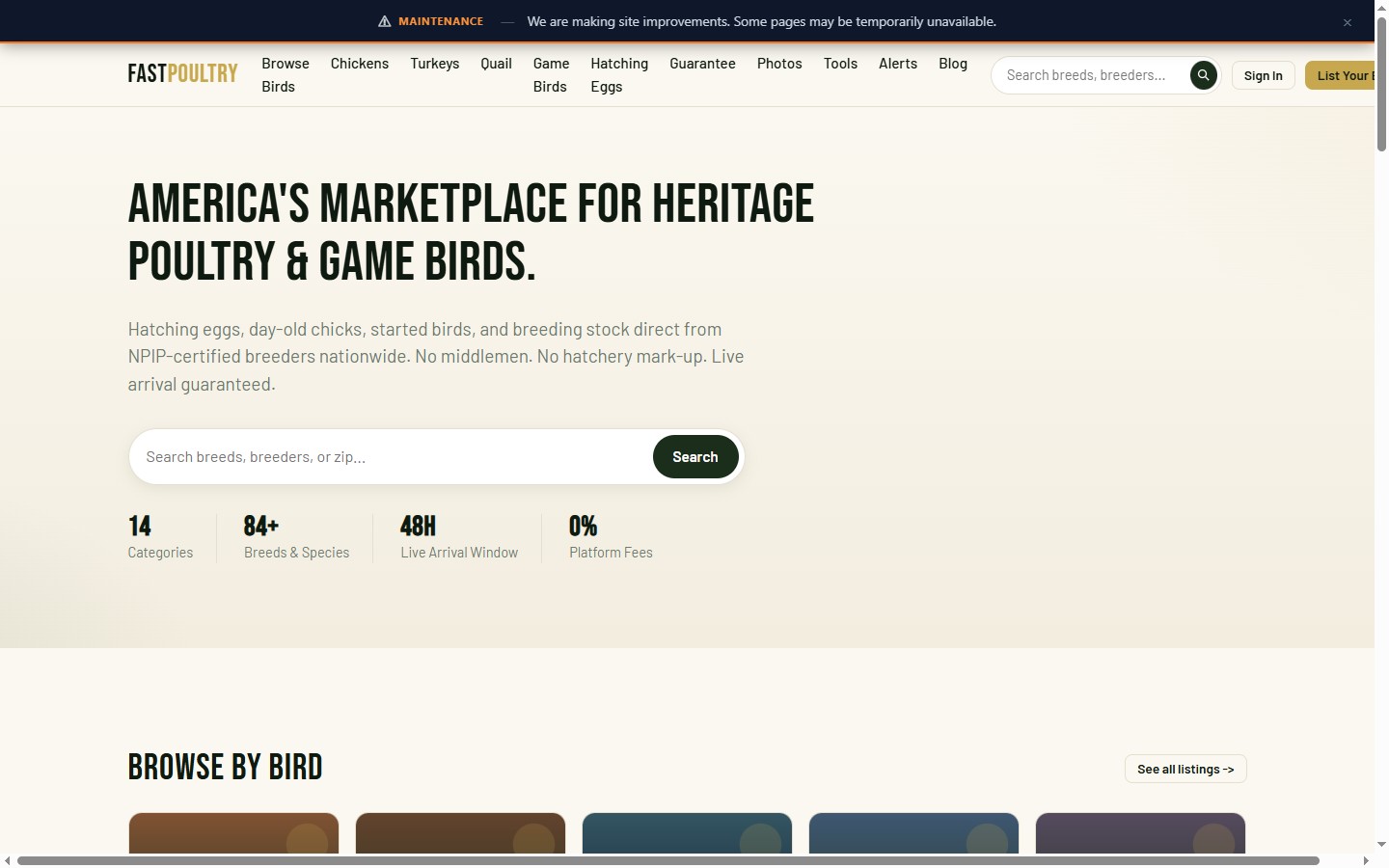
FastPoultry
Farm-Direct Poultry. Sourced and Shipped.
A direct-to-consumer poultry marketplace connecting buyers with farm-sourced chicken, turkey, duck, and specialty birds. Built on Cloudflare Pages for edge performance with programmatic breed, region, and product pages designed for organic search dominance in the farm-direct food market. Targets the growing consumer demand for traceable, locally-sourced poultry bypassing retail markups.
What It Does
Buyers find and purchase farm-direct poultry with full traceability. Sellers list inventory with farm credentials and shipping capabilities. The platform captures the premium segment of consumers willing to pay more for quality sourcing and transparent supply chain - a market growing 18% annually.
Skills Demonstrated
- Farm-direct food commerce positioning
- Programmatic agriculture SEO
- Supply chain transparency marketing
- DTC food brand architecture
- Cloudflare Pages edge deployment
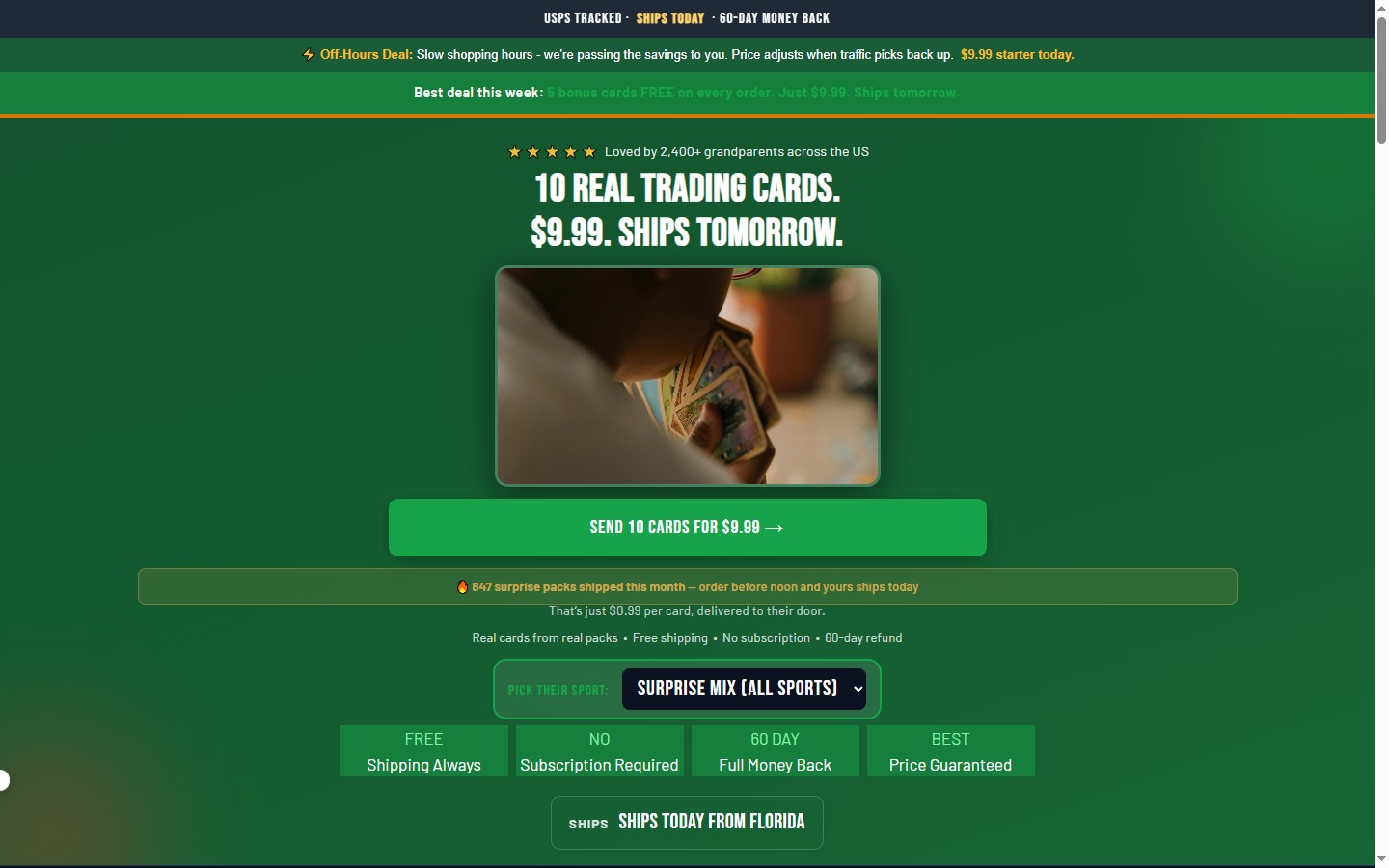
MSC Mystery Cards
Mystery Cards That Pay You Back.
A physical mystery card subscription funnel attached to the Money Scaling Cycle ecosystem. Subscribers receive curated mystery card packs with embedded value offers, tools, and resources from the MSC partner network. Square-powered checkout, Supabase subscriber management, PrintNode thermal print bridge for label automation, and a cron worker for fulfillment scheduling. A hybrid physical-digital product with recurring revenue upside.
What It Does
Customers subscribe and receive monthly mystery card packs. Each card contains partner offers, learning resources, and MSC ecosystem value. The print automation stack handles label generation and fulfillment queuing automatically. The product converts MSC community engagement into physical touchpoints and partner revenue.
Skills Demonstrated
- Physical-digital product hybrid design
- Subscription commerce architecture
- Print fulfillment automation (PrintNode)
- Square + Supabase integration
- Cloudflare cron worker orchestration
United States Pallets
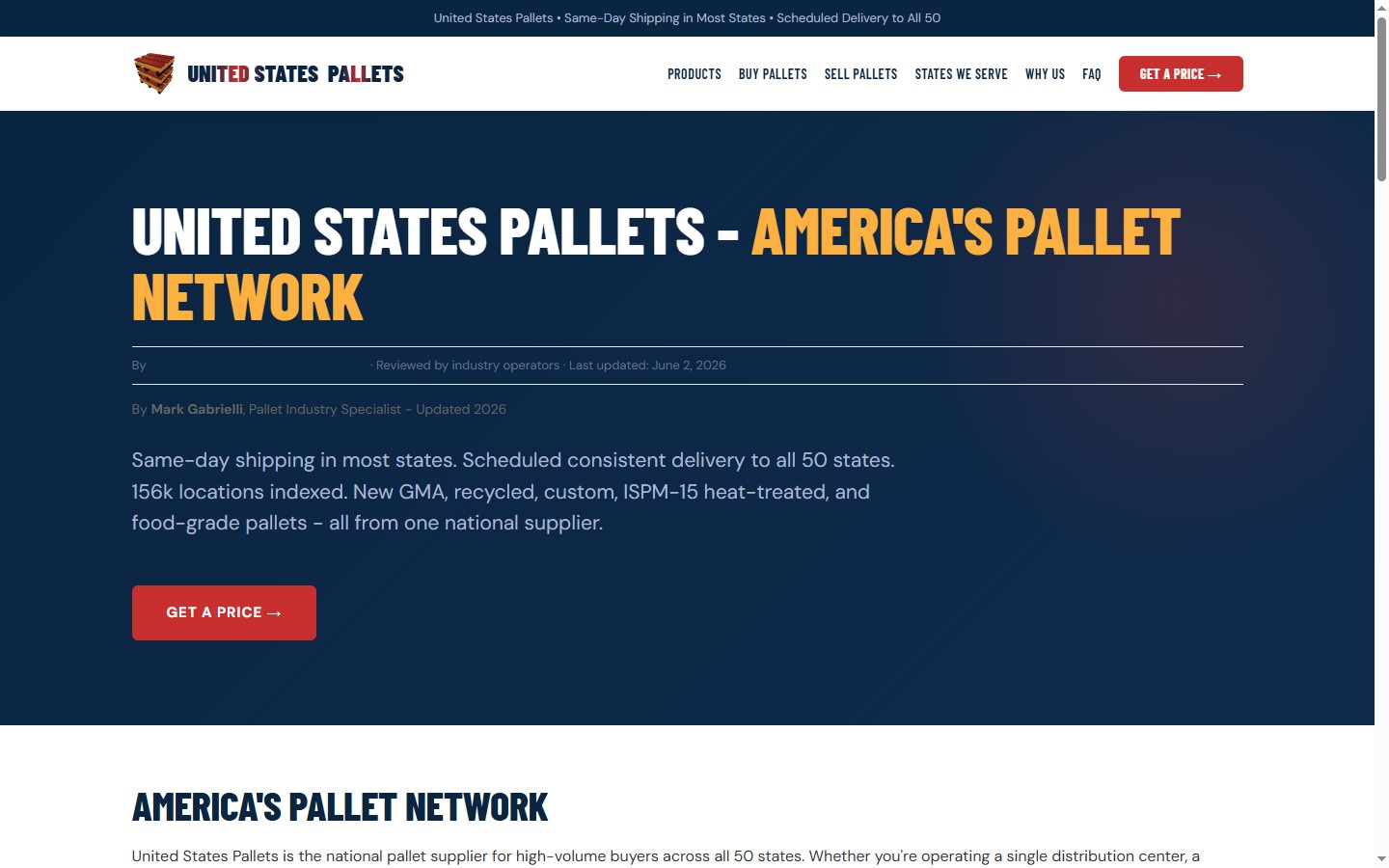
The National Pallet Supply Network.
A national-scale pallet supply and lumber marketplace connecting buyers and sellers across all 50 states. Programmatic location pages covering every major metro, state, and industrial corridor where pallet volume is highest. Built as the national expansion of the Florida Pallet Supply brand, targeting warehouses, distribution centers, manufacturers, and logistics operators who need consistent pallet supply at competitive pricing.
What It Does
Businesses source wood pallets, plastic pallets, and recycled pallet inventory at scale through a location-targeted marketplace. The site captures high commercial-intent search traffic from warehouse managers and procurement teams across the country, generating inbound supplier and buyer leads nationwide.
Skills Demonstrated
- National B2B supply chain marketplace design
- Programmatic location SEO at national scale
- Industrial / logistics vertical positioning
- Lead generation for high-ticket B2B transactions
- Brand extension strategy from regional to national
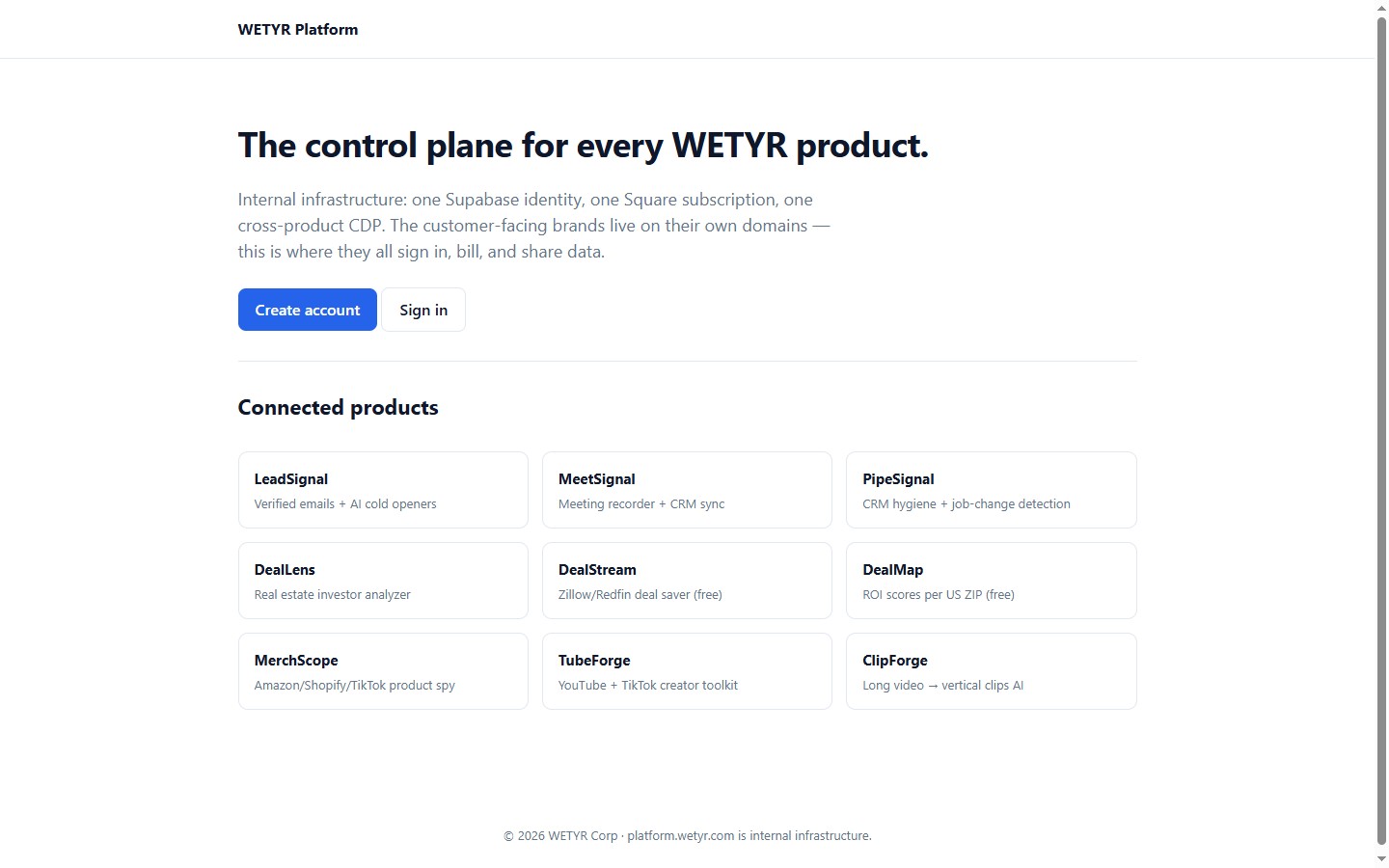
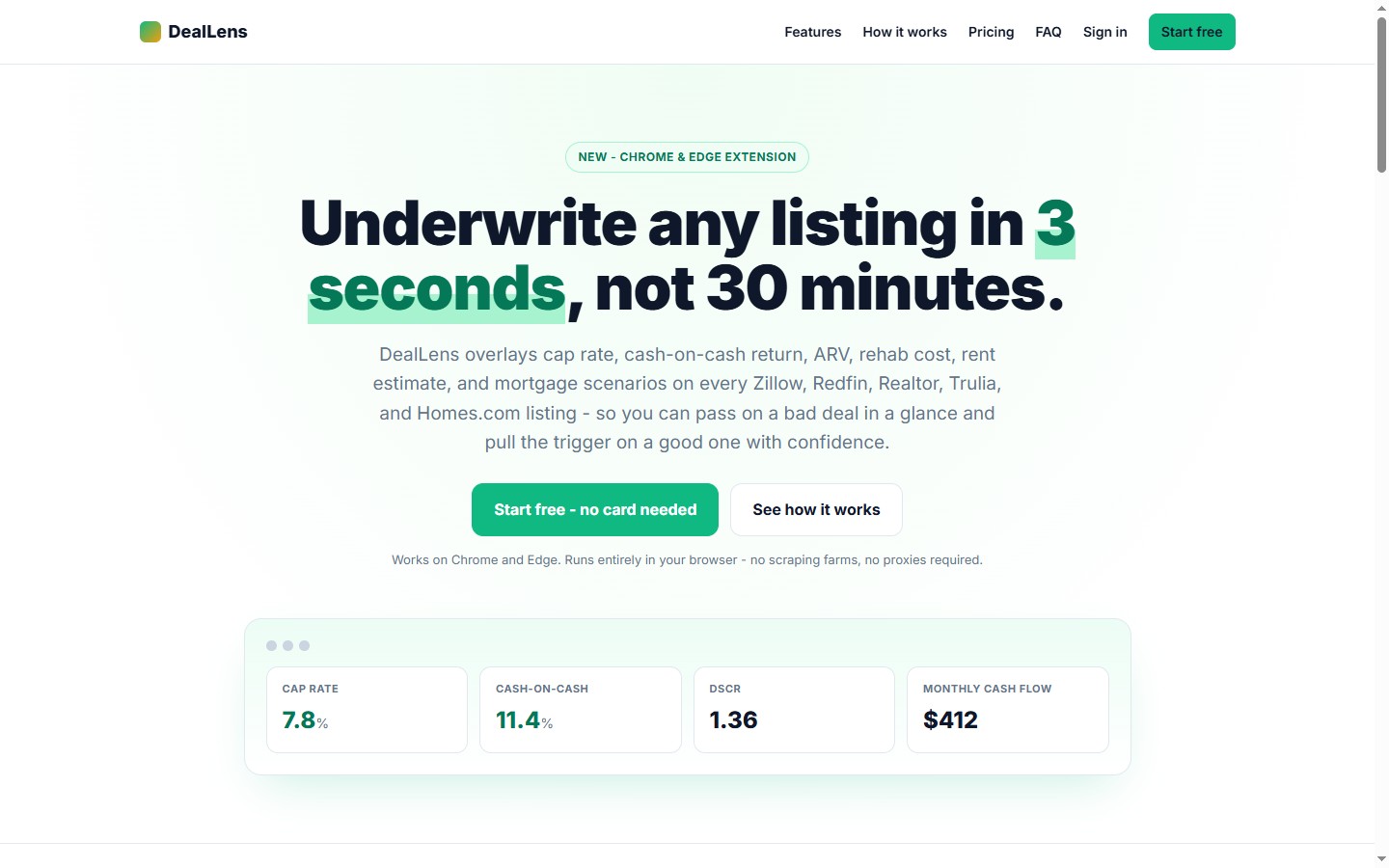
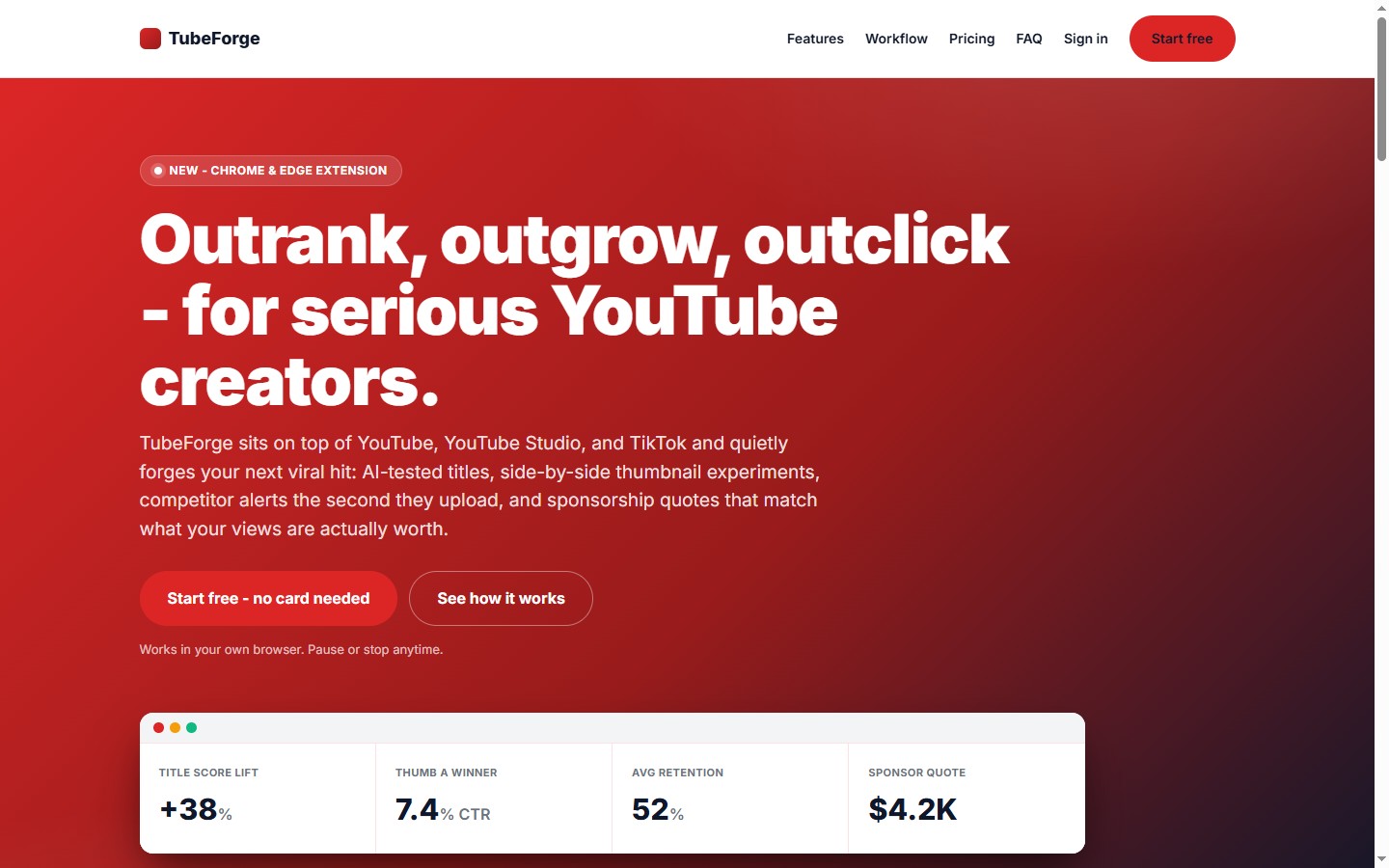
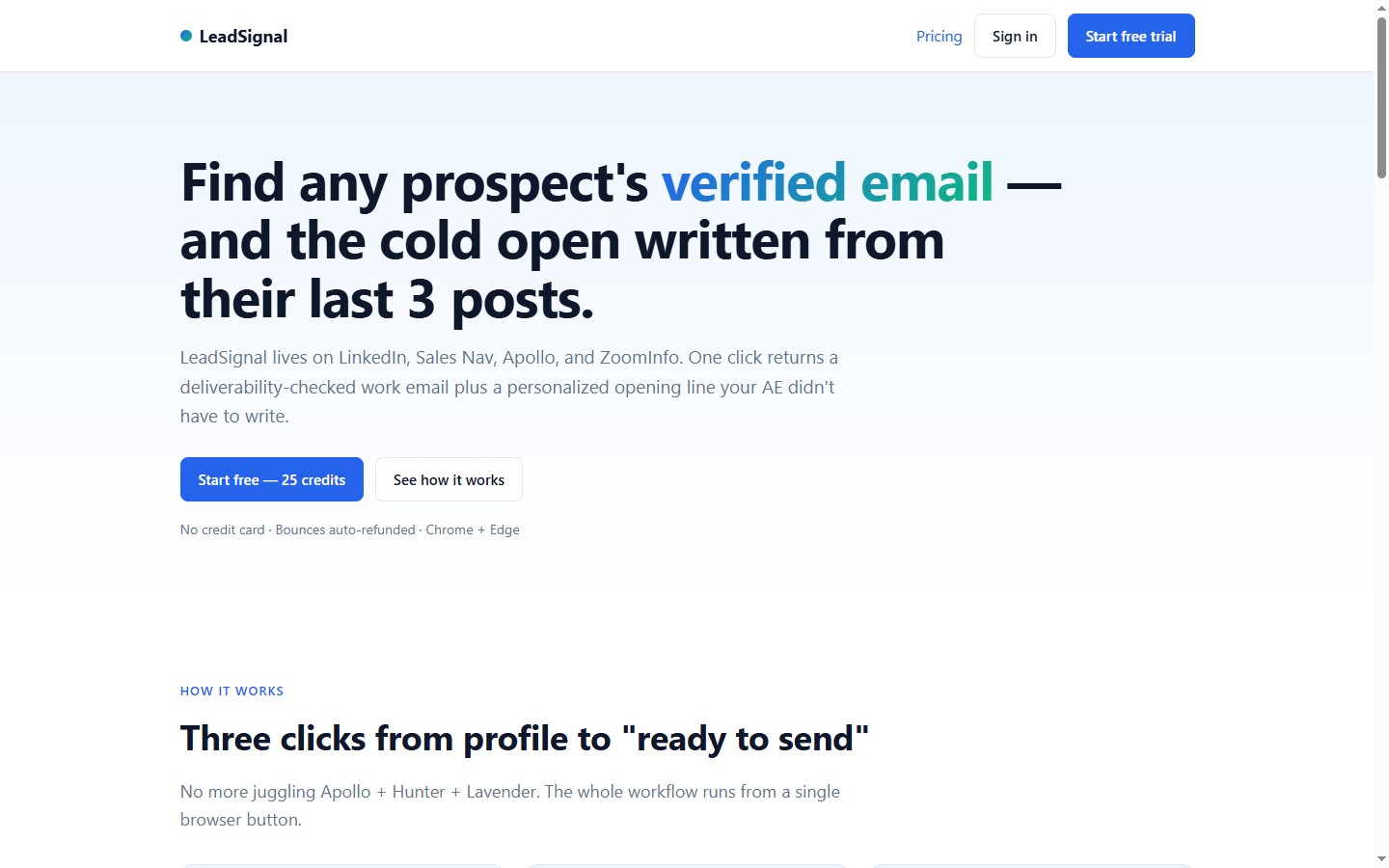
Internal Systems & Operating Layer
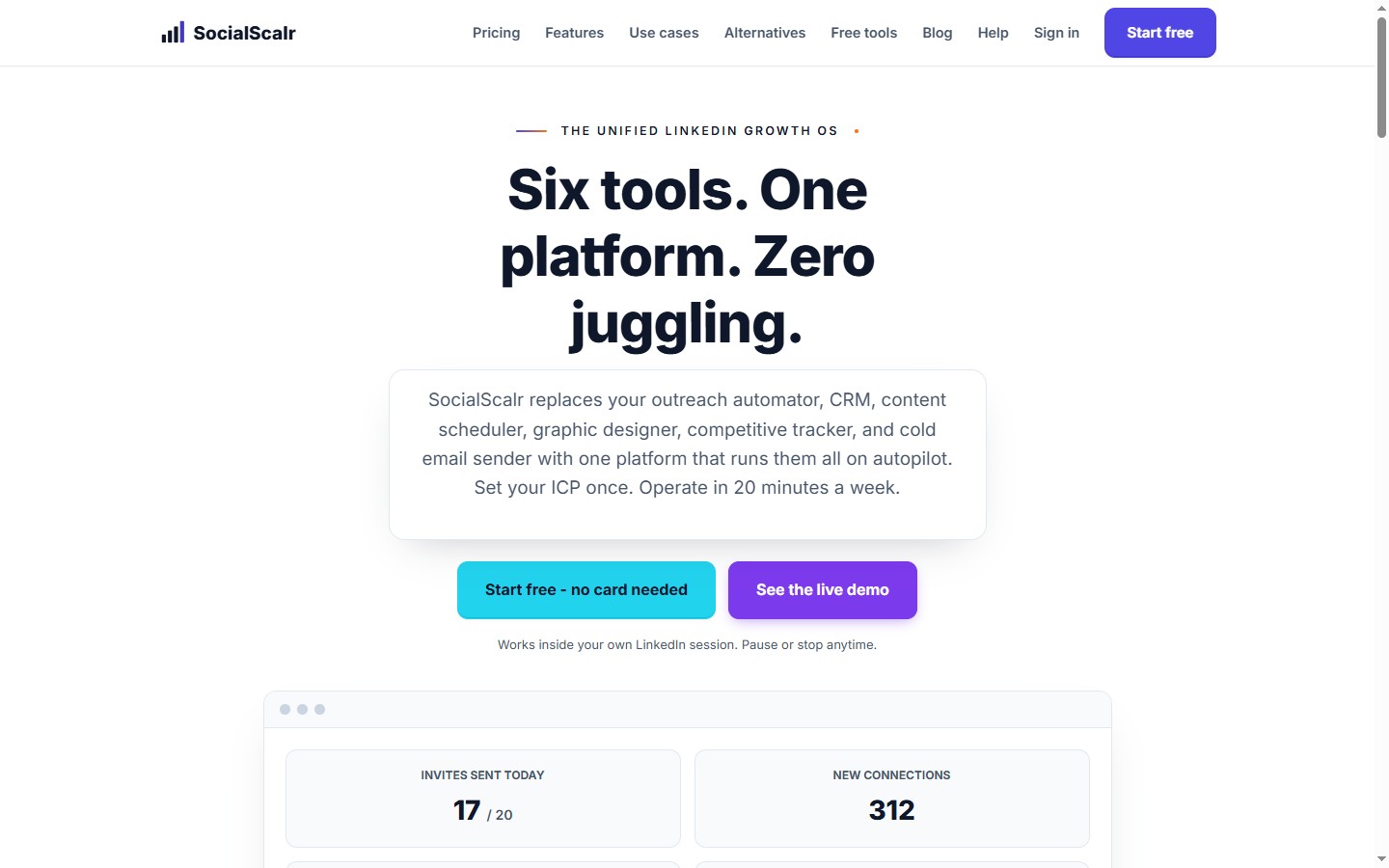
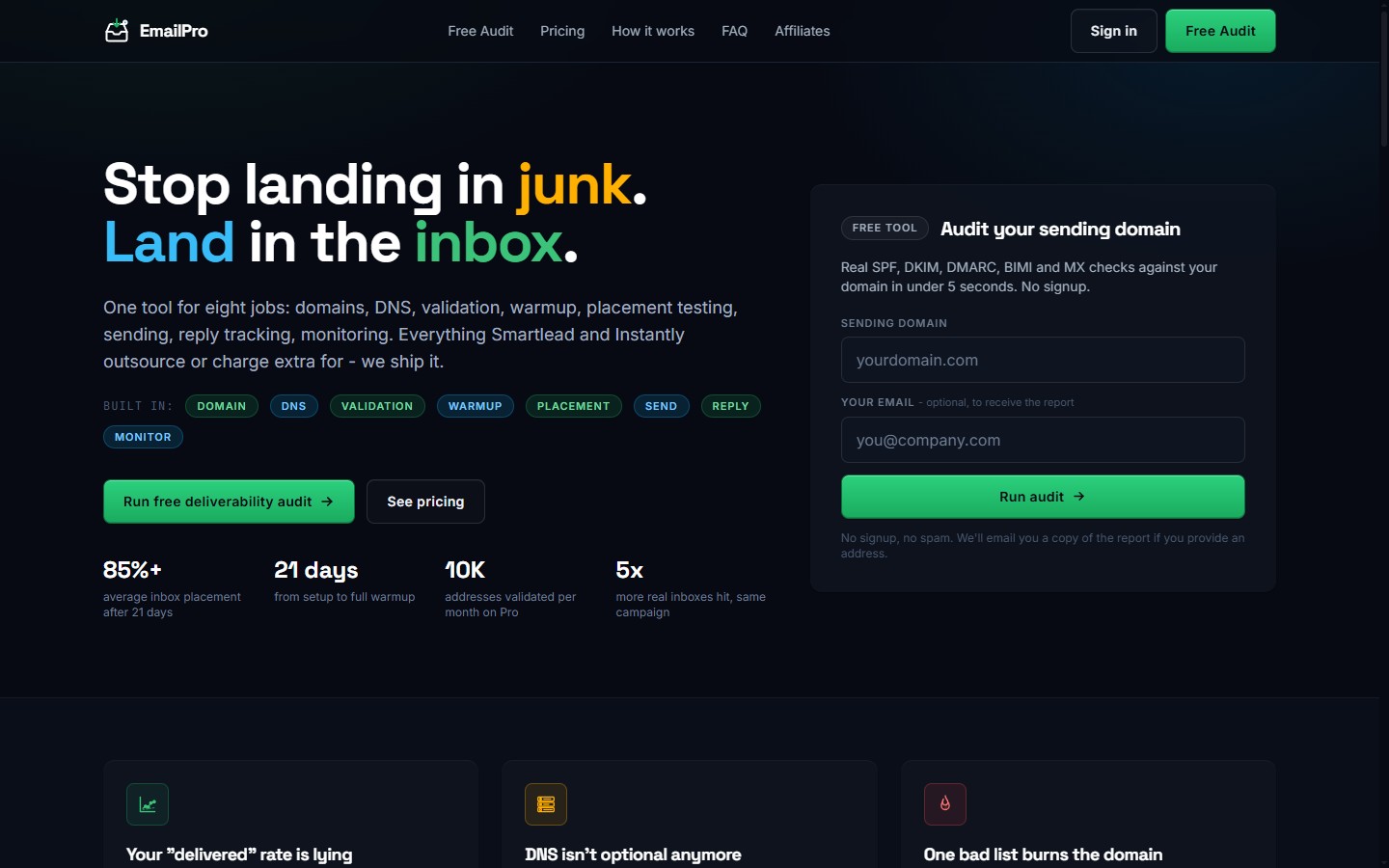
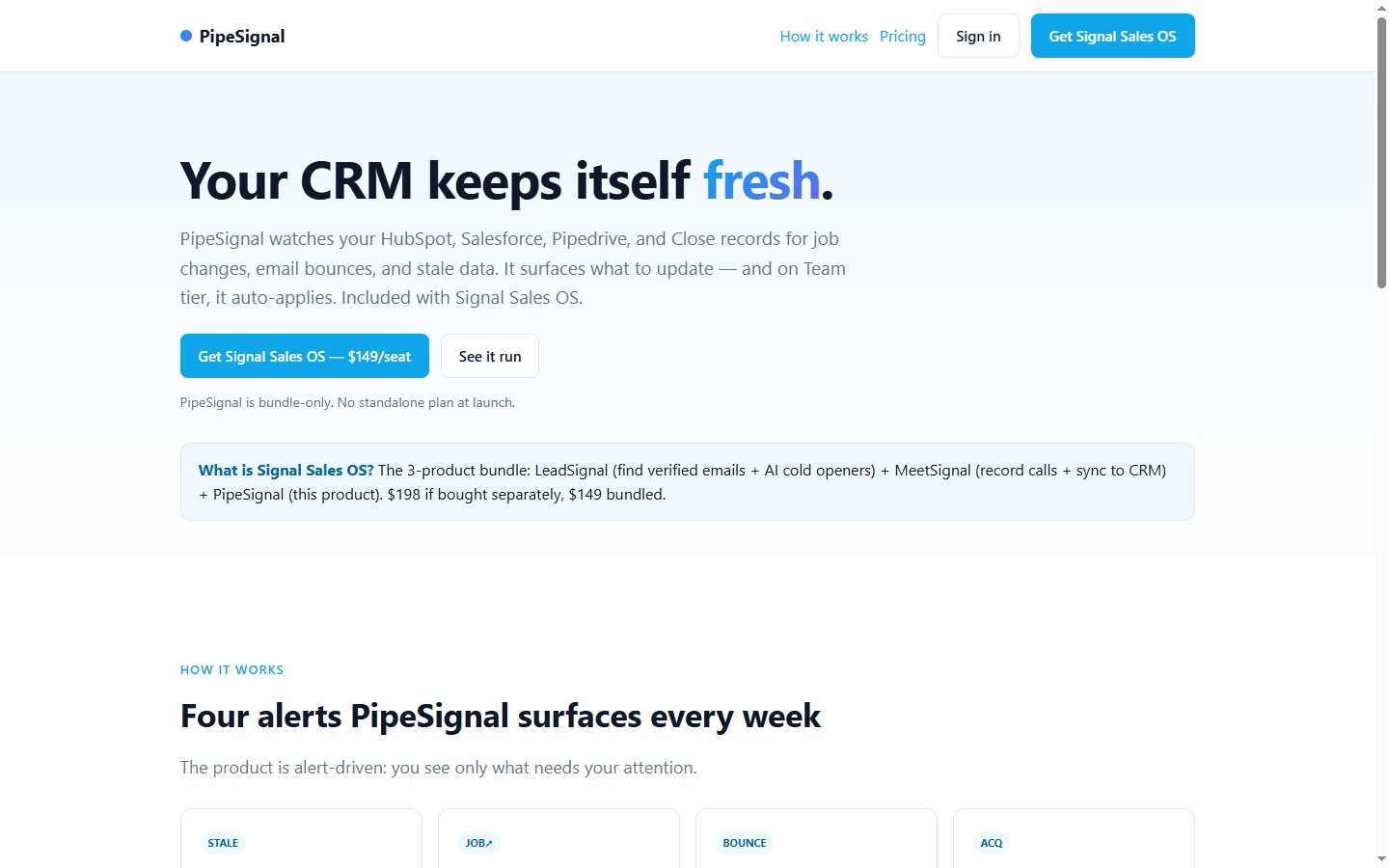
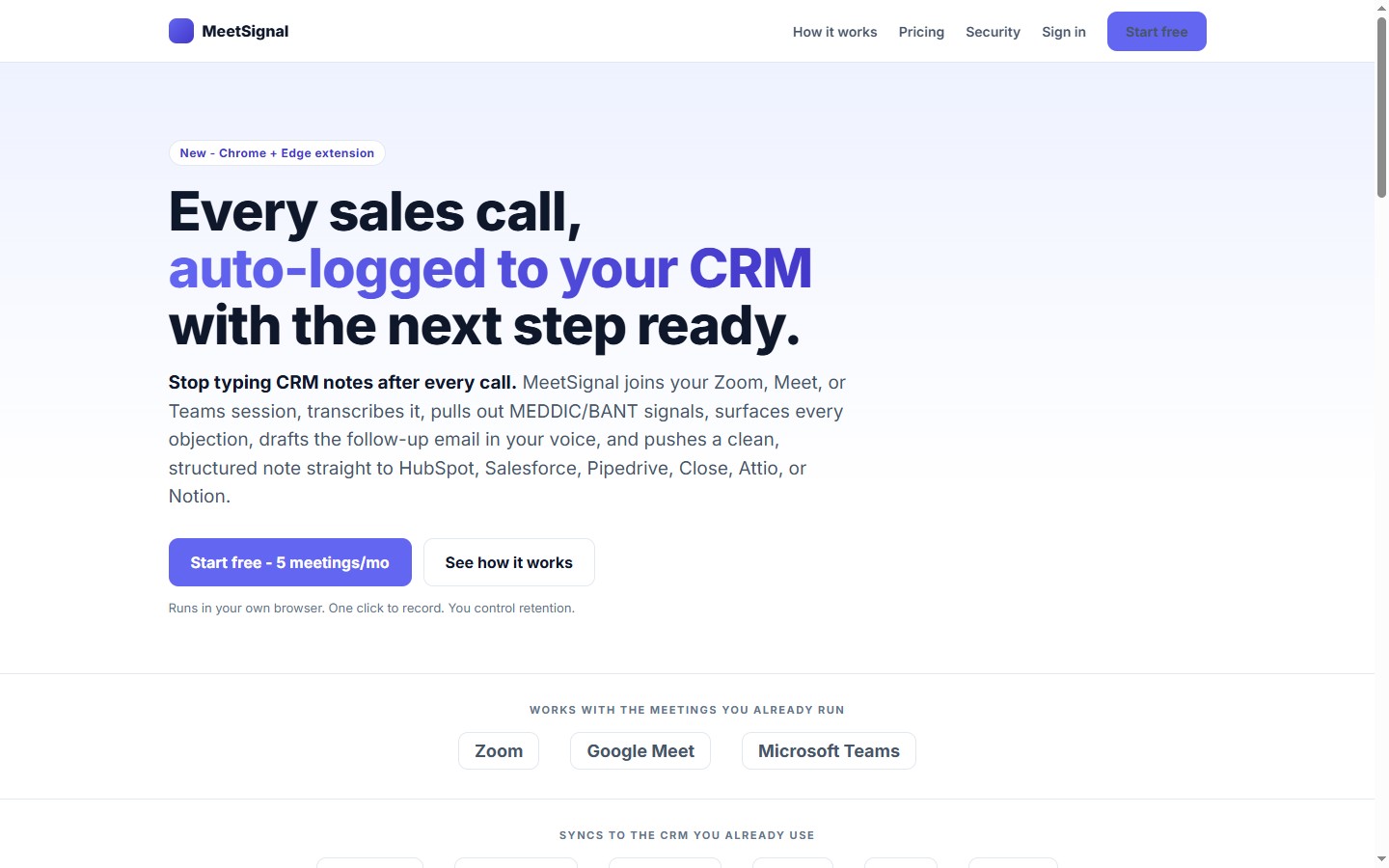
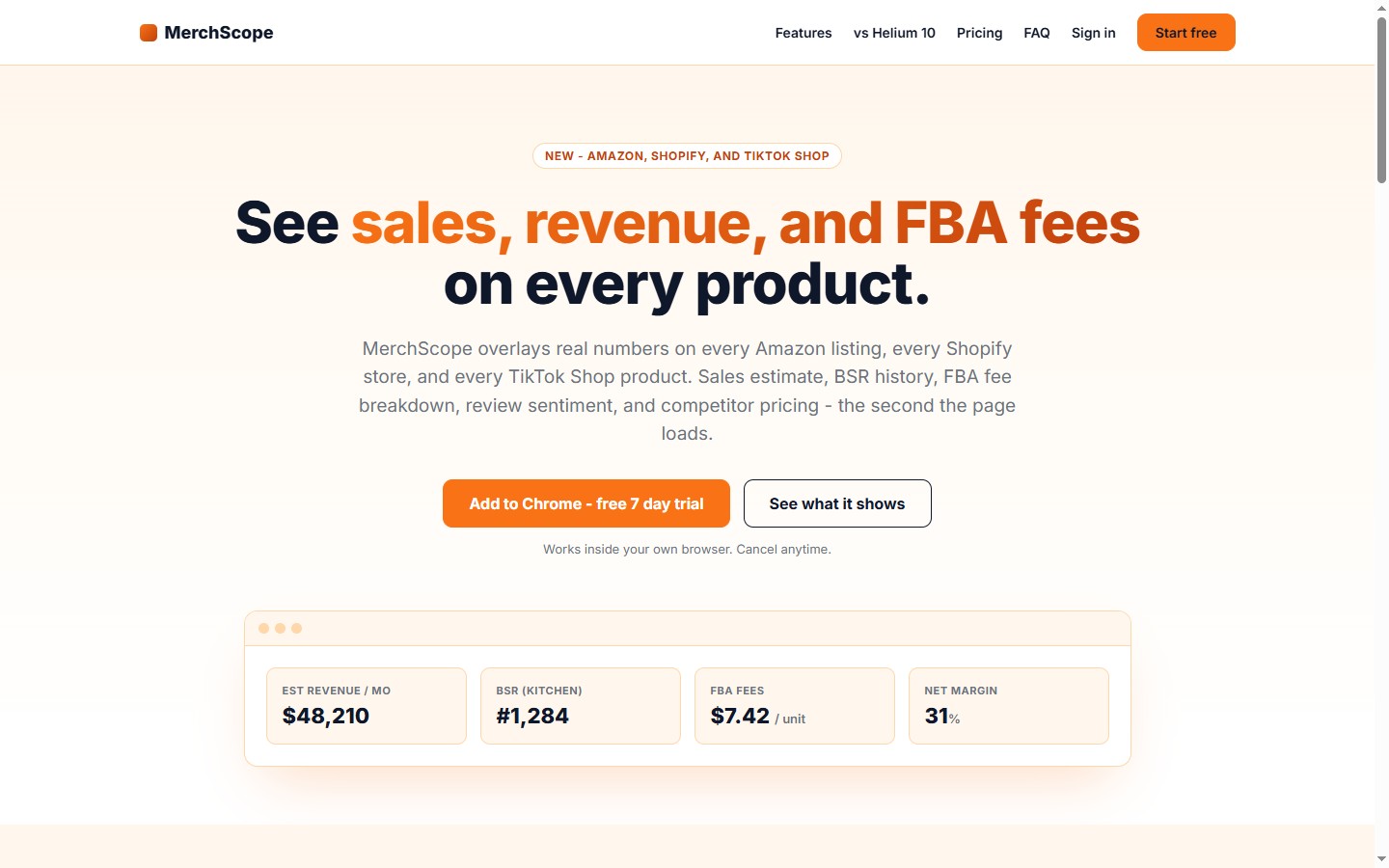
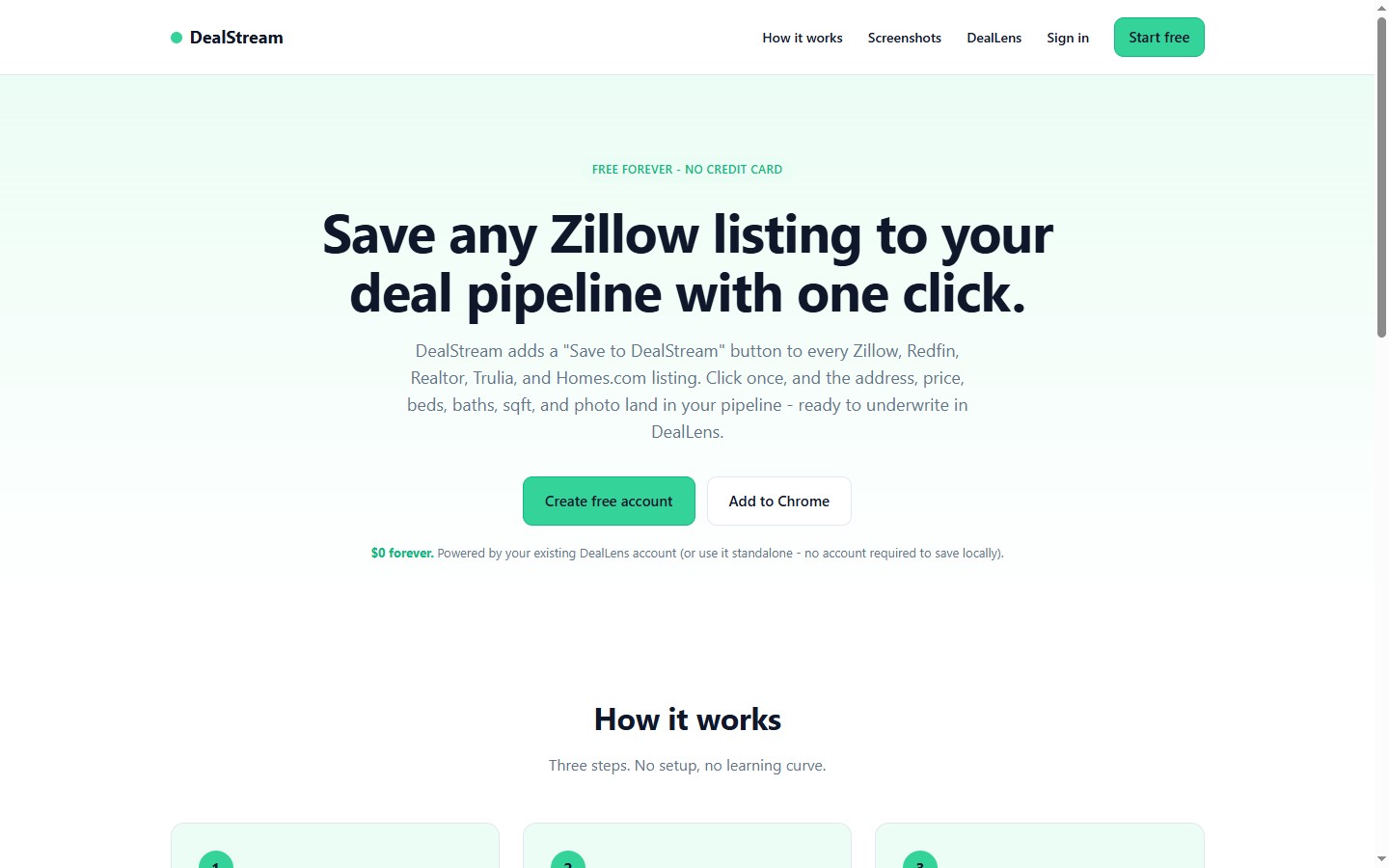
Beyond the 32 public sites, this is the internal stack — the AI tools, growth automation, signal engines, and operating systems Mark has built to run the venture portfolio at scale. Most have no public domain; they're the unfair-advantage layer.
READY TO BUILD
SOMETHING REAL?
This portfolio is proof of what happens when strategy meets execution. If you want someone who builds, not just advises, let's talk.
What You Get - Frequently Asked Questions
What does a fractional CMO do for companies in this market?
A fractional CMO acts as your Chief Marketing Officer on a part-time basis -- typically 2-3 days per week -- with full executive accountability for strategy, team leadership, budget, and revenue outcomes. They own your entire marketing function and are accountable for pipeline generation and revenue attribution, not just deliverables.
How quickly will I see results?
Most engagements produce measurable outputs within 30 days: a GTM strategy, ICP definition, messaging architecture, and demand generation plan. Pipeline movement typically appears in 60-90 days as campaigns launch. Long-term compounding results build over 6-12 months.
Is there a long-term contract required?
No. Every MarkCMO engagement is month-to-month. There are no long-term contracts, no cancellation fees, and no lock-in. You stay because the results justify it. We offer a free GTM diagnostic before you commit to any paid engagement.
Do I have to sign a long-term contract?
No. Every MarkCMO engagement is month-to-month. There are no long-term contracts, no cancellation fees, and no lock-in clauses. You stay because the results justify it -- not because you are contractually obligated. We offer a free GTM diagnostic before you commit to any paid engagement so you can validate fit before spending a dollar.
How does the engagement start?
Step one is a free 30-minute GTM diagnostic call. We review your current situation, revenue goals, team structure, and the biggest gap between where you are and where you need to be. If there is a clear fit, we outline a 30-60-90 day plan and agree on scope. Most engagements are live within 5-7 business days of the diagnostic call.
Ready to Build a Marketing Engine That Compounds?
Book a free GTM diagnostic call. No pitch. No pressure. We review your current situation, identify the single biggest gap in your marketing, and give you a clear path forward -- whether you hire us or not.
4.9★ rated • 193 client reviews • No long-term contracts • Month-to-month
Get a Free Revenue Strategy Call
30 minutes with Mark Gabrielli. No pitch. A direct read on your biggest marketing gaps and what moves revenue fastest. Responds personally within 24 hours.
Book a Free Strategy Call
60 seconds. Mark responds personally within 24 hours.
You are in. Check your inbox.
Mark will personally follow up within 24 hours.
Or reach him directly: [email protected] · +1 (321) 917-5738